Commitment to Stop Using Angora Wool
Italy
Fashion Industry
Sustainable Practices
Animal Welfare
3 min read
Updated By: History Editorial Network (HEN)
Published:
Updated:
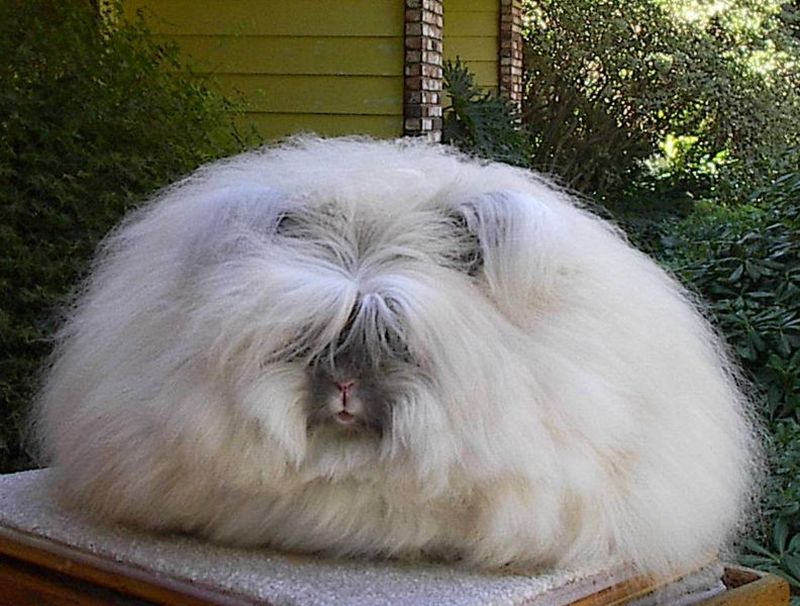
The commitment to stop using angora wool reflects a broader trend in the fashion industry towards sustainable practices and ethical sourcing. This decision aligns with the Environmental, Social, and Governance (ESG) approach, which emphasizes responsible management of environmental and social impacts. The fashion industry has faced increasing scrutiny regarding animal welfare, particularly concerning the treatment of rabbits from which angora wool is sourced. Reports of inhumane practices in angora production have led to consumer demand for more ethical alternatives. In response, many brands are reevaluating their supply chains and material choices to ensure they meet ethical standards and consumer expectations.
By ceasing the use of angora wool, brands not only address animal welfare concerns but also contribute to a larger movement within the industry known as the Fashion Pact. This initiative encourages companies to adopt sustainable practices, including the use of recycled materials and organic fabrics. The shift away from angora wool is part of a growing trend where brands are launching sustainable product lines that utilize materials such as recycled polyester and organic cotton. This commitment not only enhances brand reputation but also aligns with the values of environmentally conscious consumers, ultimately influencing purchasing decisions and fostering a more sustainable fashion ecosystem.
#mooflife
#MomentOfLife
#AngoraWool
#SustainableFashion
#AnimalWelfare
#FashionIndustry
#EthicalSourcing
Primary Reference
Armani to ban angora wool from next winter season

Explore the Life Moments of
 AI Twin