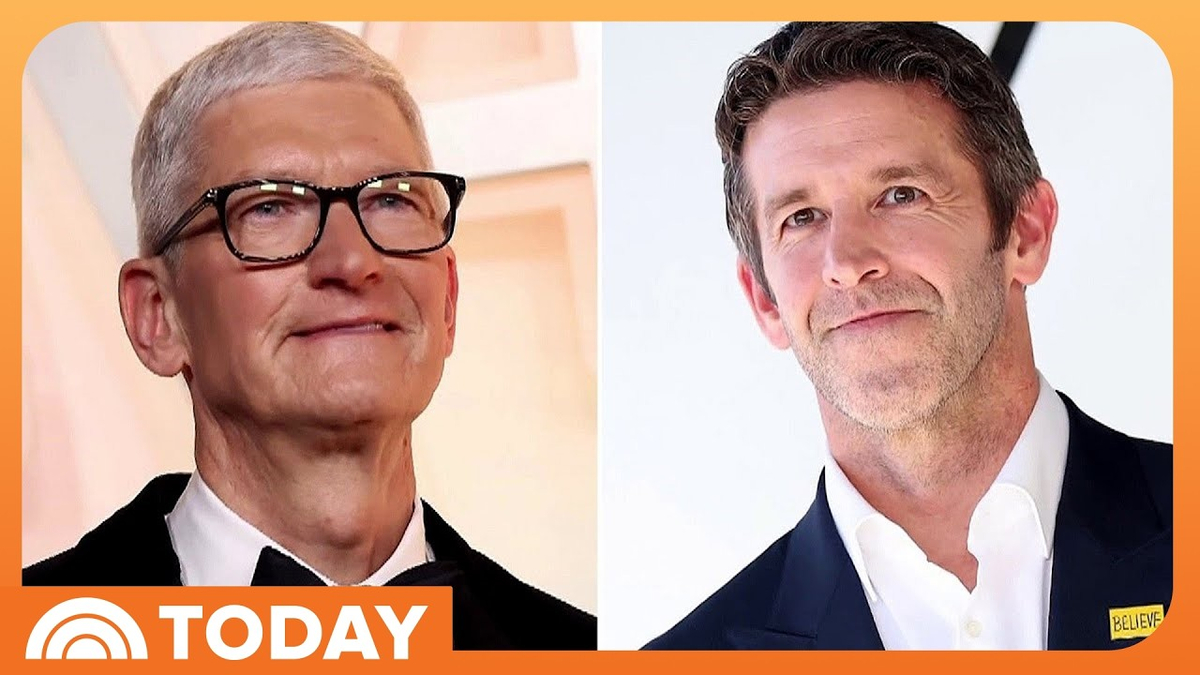
John Ternus Becomes Apple’s 4th CEO, Succeeding Tim Cook
Cupertino, California, United States
Leadership Change
8 min read
Updated By: History Editorial Network (HEN)
Published:
John Ternus officially became chief executive officer of Apple on 01/09/2026, succeeding Tim Cook after Cook's 15 years leading the technology company. The leadership change, first announced by Apple on 20/04/2026, was unanimously approved by the company's Board of Directors following what Apple described as a thoughtful, long-term succession planning process. Ternus also joined Apple's Board of Directors on 01/09/2026, while Cook transitioned to executive chairman.
The succession brought to a close Cook's tenure as CEO, which began in August 2011 following Steve Jobs. Cook did not leave Apple as part of the transition. As executive chairman, he remains involved in selected areas of the company, including engagement with policymakers around the world. Arthur Levinson, who had served as Apple's non-executive chairman for 15 years, became lead independent director as part of the same leadership restructuring.
Ternus entered the CEO position after approximately 25 years at Apple. He joined Apple's product design team in 2001, became a vice president of Hardware Engineering in 2013 and joined the company's executive team as senior vice president of Hardware Engineering in 2021. During his hardware career, he oversaw engineering work across Apple's product categories and contributed to products including iPhone, iPad, Mac, Apple Watch and AirPods. He also played a role in the Mac's transition to Apple-designed silicon and led work involving product reliability, durability, materials and repairability.
Before joining Apple, Ternus worked as a mechanical engineer at Virtual Research Systems. He earned a bachelor's degree in mechanical engineering from the University of Pennsylvania. In Apple's April succession announcement, Ternus said he was "profoundly grateful" for the opportunity to carry Apple's mission forward and noted that he had worked under Steve Jobs and regarded Cook as a mentor.
Ternus inherited a substantially larger company than the one Cook took over in 2011. According to figures published by Apple when it announced the succession, Apple's market capitalization increased from approximately $350 billion to $4 trillion during Cook's tenure, while annual revenue rose from $108 billion in fiscal 2011 to more than $416 billion in fiscal 2025. Apple's active installed base surpassed 2.5 billion devices, and its workforce expanded by more than 100,000 people during the same period. Apple also said its Services business had grown to more than $100 billion in annual revenue.
Cook's tenure included the introduction of Apple Watch, AirPods and Apple Vision Pro, as well as the expansion of services including Apple Pay, Apple Music, Apple TV and iCloud. Apple also transitioned the Mac away from Intel processors to its own Apple silicon and expanded its global retail and services operations. By the time Ternus assumed leadership, Apple operated more than 500 retail stores and served customers across more than 200 countries and territories.
Ternus took control of Apple at a time when artificial intelligence and future hardware categories were prominent strategic issues for the company. His appointment placed an executive with a predominantly hardware engineering background at the head of Apple, while Cook's continuing position as executive chairman provided continuity at board level. The transition also came shortly before Apple's traditional September product-launch period, with industry attention focused on the company's next generation of devices and the continuing development of Apple Intelligence.
Why This Moment Matters: The CEO transition was Apple's first since Cook succeeded Jobs in 2011 and placed a longtime hardware engineering leader in charge after 15 years of Cook's leadership. Unlike Apple's previous CEO transition, Cook remained formally involved as executive chairman, creating continuity between the two leadership periods while transferring day-to-day executive responsibility to Ternus.

Explore the Life Moments of
 AI Twin