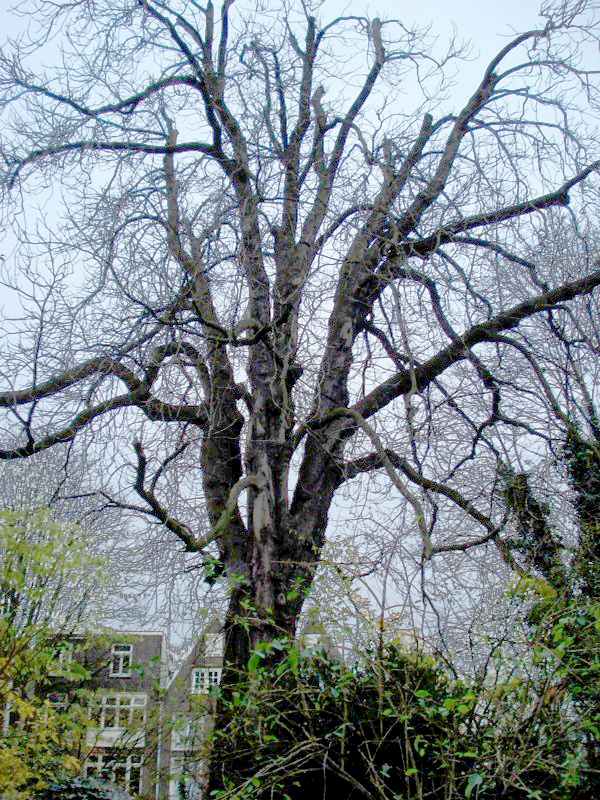
Anne Frank Tree Scheduled for Removal
Germany
Historical Events
Environmental Conservation
Cultural Heritage
2 min read
Updated By: History Editorial Network (HEN)
Published:
Updated:
The Anne Frank tree, a horse-chestnut located near the Anne Frank House in Amsterdam, became a symbol of hope and resilience associated with the Jewish experience during World War II. This tree was visible from the annex where Anne Frank and her family hid from the Nazis, and it has since been recognized as a significant historical landmark. By the time the tree was scheduled for removal, it had developed a fungal disease that compromised its structural integrity, leading city officials to determine that cutting it down was necessary to prevent potential damage to nearby buildings. The decision to remove the tree sparked considerable public outcry and drew the attention of conservationists, who viewed the tree as a living testament to Anne Frank's legacy and the broader narrative of Jewish persecution during the Holocaust.
#mooflife
#MomentOfLife
#AnneFrank
#TreeRemoval
#HistoricalLandmarks
#JewishHistory
#ConservationEfforts
Primary Reference
Anne Frank tree

Explore the Life Moments of
 AI Twin