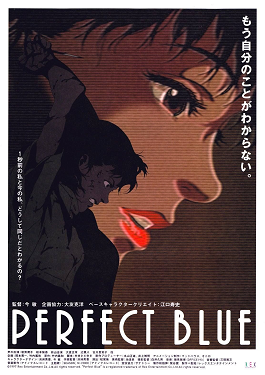
Perfect Blue
Entertainment
5 min read
Updated By: History Editorial Network (HEN)
Published:
Perfect Blue (1997) is a psychological thriller anime film directed by Satoshi Kon in his directorial debut and produced by Madhouse. The story follows Mima Kirigoe, a former pop idol who leaves her girl group “CHAM!” to pursue a serious acting career. As she struggles with her identity and the demands of her new career—including a disturbing rape scene in a TV drama—she becomes the target of a stalker and begins to unravel mentally. Blurring the lines between reality, hallucination, and paranoia, the film explores celebrity culture, sexual exploitation, and the psychological cost of fame in a media-obsessed world.
On release, Perfect Blue had a limited theatrical run in Japan and overseas, grossing a modest sum—reportedly under $1 million initially—but it gained massive cult status over time through VHS and DVD distribution in the West. Its modest box office was far outweighed by its long-term influence and acclaim. The film was notably controversial in Japan for its intense psychological content and sexual imagery, but Western critics praised it for its Hitchcockian tension and thematic depth.
Critically, it was highly regarded for its complex narrative structure and surreal direction. Reviewers compared it to works like Black Swan (which Darren Aronofsky admitted drew inspiration from it), Mulholland Drive, and Psycho. The animation style was relatively grounded compared to typical anime of the era, favoring realism to emphasize psychological disintegration. It holds a 83% Rotten Tomatoes rating, and despite a lack of mainstream awards, it became one of the most studied and cited anime films in international film circles.
The film didn’t win major awards during its release year, but its legacy is undeniable. Perfect Blue is now considered a seminal work in animated psychological horror, helping establish Satoshi Kon as one of the most visionary directors in animation before his untimely death in 2010. Its impact can be seen across Western cinema, anime, and even music videos. The film’s themes of identity, perception, and media-induced schizophrenia are more relevant than ever in the age of social media.
Primary Reference
パーフェクトブルー戦記1 発端

Explore the Life Moments of
 AI Twin