Founding of the Church Peace Union
Historical Organizations
Peace Movements
World War I Initiatives
4 min read
Updated By: History Editorial Network (HEN)
Published:
Updated:
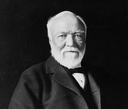
The Church Peace Union (CPU) was established by Andrew Carnegie in response to the growing tensions leading to the First World War. Carnegie, a prominent industrialist and philanthropist, envisioned the CPU as a coalition of leaders from various sectors, including religion, academia, and politics. The primary objective of the CPU was to harness the collective influence of churches and spiritual organizations to advocate for peace and moral leadership, aiming to eliminate war as a means of conflict resolution. Carnegie believed that the moral authority of religious institutions could play a crucial role in promoting peace and preventing future wars. The CPU sought to create a platform for dialogue and cooperation among different faiths and ideologies, emphasizing the importance of unity in the face of global conflict.
The inaugural event of the CPU was planned as an international conference in southern Germany, intended to gather influential figures to discuss strategies for peace. However, the timing of the conference coincided with the outbreak of hostilities in Europe, specifically Germany's invasion of Belgium, which marked the beginning of the First World War. This unfortunate overlap highlighted the challenges faced by the CPU in its mission to promote peace amidst escalating violence. Despite the immediate setback, the CPU continued its efforts to engage religious and community leaders in discussions about peace, advocating for moral leadership in a time of crisis. The establishment of the CPU underscored the potential for religious organizations to influence public opinion and policy regarding war and peace, setting a precedent for future peace movements and interfaith dialogues.
#mooflife
#MomentOfLife
#ChurchPeaceUnion
#AndrewCarnegie
#PeaceAdvocacy
#FirstWorldWar
#MoralLeadership
Primary Reference
Carnegie Council Turns 98 and Launches Centennial Projects
Explore the Life Moments of
 AI Twin