Established pension funds for former employees
Historical Philanthropy
Education Funding
Labor Relations
3 min read
Updated By: History Editorial Network (HEN)
Published:
Updated:
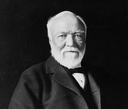
In the early 20th century, a notable initiative was undertaken to establish pension funds aimed at providing financial security for former employees. This initiative was spearheaded by Andrew Carnegie, a prominent industrialist and philanthropist. In 1901, Carnegie set up substantial pension funds for his former workers at the Homestead steel mill, which was a significant site of labor history. Following this, in 1905, he extended this initiative to American college professors, leading to the creation of a fund that would eventually evolve into TIAA-CREF, a major financial services organization that focuses on retirement and investment solutions for educators and non-profit employees. A critical stipulation of these funds was that church-related educational institutions had to dissociate from their religious affiliations to qualify for financial support. This requirement reflected Carnegie's vision of promoting secular education and ensuring that the funds were utilized in a manner aligned with his philanthropic goals. The establishment of these pension funds marked a pivotal shift in how educational and industrial institutions approached employee welfare, laying the groundwork for modern retirement systems and influencing future policies regarding employee benefits across various sectors.
#mooflife
#MomentOfLife
#PensionFunds
#EmployeeBenefits
#AndrewCarnegie
#Tiaa-cref
#LaborHistory
Primary Reference
Andrew Carnegie
Explore the Life Moments of
 AI Twin