Carnegie's Philanthropy Before His Death
Philanthropy
Biography
4 min read
Updated By: History Editorial Network (HEN)
Published:
Updated:
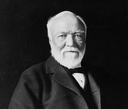
Andrew Carnegie, a prominent industrialist and philanthropist, dedicated a substantial portion of his wealth to various charitable causes throughout his life. By the time of his passing, he had donated approximately $350 million, a significant sum that reflects his commitment to philanthropy. Carnegie's approach to giving was guided by his belief in the 'Gospel of Wealth,' which posited that the affluent have a moral obligation to distribute their wealth for the greater good of society. This philosophy influenced his decisions to fund libraries, educational institutions, and cultural organizations, aiming to improve access to knowledge and promote self-improvement among the less fortunate. His contributions included the establishment of over 2,500 public libraries, which provided free access to books and resources, thereby fostering literacy and education in communities across the nation.
In his later years, Carnegie faced health challenges, including pneumonia, which ultimately led to his death. Despite his declining health, his philanthropic legacy continued to grow, as he had already laid the groundwork for numerous foundations and initiatives that would carry on his vision. Carnegie's desire to be remembered as a 'positivist' highlights his intention to leave a lasting impact on society through his charitable endeavors. His donations not only transformed the landscape of education and culture but also set a precedent for future philanthropists. The financial figures associated with his contributions underscore the scale of his commitment to philanthropy, making him one of the most notable figures in the history of charitable giving.
#mooflife
#MomentOfLife
#AndrewCarnegie
#Philanthropy
#GospelOfWealth
#CharitableGiving
#PublicLibraries
Primary Reference
Andrew Carnegie
Explore the Life Moments of
 AI Twin