
Carnegie's Death in Lenox, Massachusetts
Biography
4 min read
Updated By: History Editorial Network (HEN)
Published:
Updated:
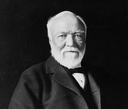
Andrew Carnegie, a prominent industrialist and philanthropist, passed away in Lenox, Massachusetts, at his estate known as Shadow Brook. His death was attributed to bronchial pneumonia, a condition that can lead to severe respiratory complications. Carnegie was known for his significant contributions to the steel industry and for his extensive philanthropic efforts. By the time of his death, he had already donated over $350 million, which is equivalent to approximately $6.9 billion in today's currency, to various causes including libraries, education, and peace initiatives. His commitment to philanthropy was a defining aspect of his legacy, as he believed in the responsibility of the wealthy to give back to society. Following his death, Carnegie's remaining fortune of $30 million was allocated to foundations, charities, and pensioners, further solidifying his impact on social welfare and community development.
Carnegie's burial took place at Sleepy Hollow Cemetery in New York, where he rests near other notable figures from the Gilded Age, including union organizer Samuel Gompers. This proximity highlights the intersection of industry and labor movements during a transformative period in American history. Carnegie's life and work continue to be studied for their influence on both the economy and social structures, as well as for the ongoing discussions about wealth distribution and philanthropy. His legacy is evident in the numerous institutions and programs that were established through his donations, which have had lasting effects on education and public access to resources.
#mooflife
#MomentOfLife
#AndrewCarnegie
#Philanthropy
#Industrialist
#BronchialPneumonia
#LenoxMassachusetts
Primary Reference
Andrew Carnegie
Explore the Life Moments of
 AI Twin