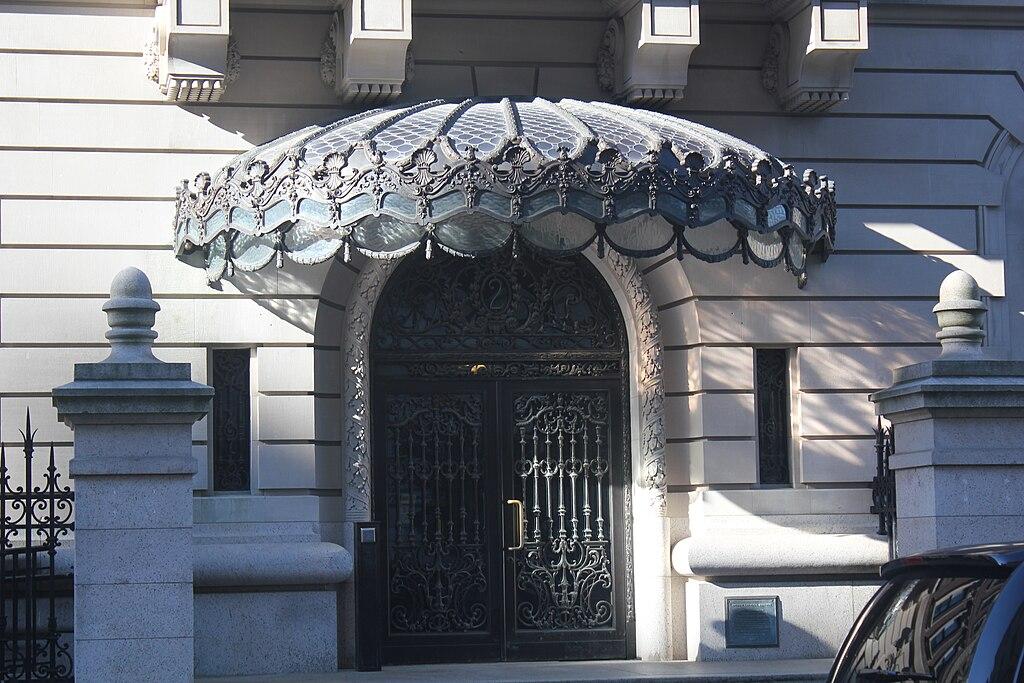
Carnegie Mansion Designated National Historic Landmark
Historic Landmarks
Architecture
Cultural Heritage
4 min read
Updated By: History Editorial Network (HEN)
Published:
Updated:
The Carnegie Mansion, situated at 2 East 91st Street at Fifth Avenue in New York, is a prominent example of early 20th-century architecture and design. Originally built as a private residence for industrialist Andrew Carnegie, the mansion reflects the wealth and influence of its owner, who was a key figure in the steel industry and philanthropy. The design of the mansion showcases elements of the Beaux-Arts style, characterized by its grand scale, intricate detailing, and classical influences. The mansion's construction involved the use of high-quality materials, including limestone and marble, which contribute to its enduring presence in the urban landscape. The building is not only significant for its architectural features but also for its historical context, representing the Gilded Age in America when industrialists amassed great fortunes and invested in cultural institutions.
The designation of the Carnegie Mansion as a National Historic Landmark underscores its importance in American history and architecture. This status helps to preserve the mansion and ensures that its historical and cultural significance is recognized and protected. The mansion is now part of the Cooper Hewitt, Smithsonian Design Museum, which focuses on design and decorative arts. This transition from a private residence to a public museum allows for the continued appreciation of the mansion's architectural beauty and its role in the narrative of American industrial history. The landmark designation also serves to educate the public about the contributions of Andrew Carnegie and the broader implications of wealth and philanthropy in shaping cultural institutions in the United States.
#mooflife
#MomentOfLife
#CarnegieMansion
#NationalHistoricLandmark
#NewYorkArchitecture
#AndrewCarnegie
#GildedAge
Primary Reference
Andrew Carnegie Mansion
Explore the Life Moments of
 AI Twin