Carnegie Mansion Becomes Cooper Hewitt Museum
Museum
Design
Smithsonian Institution
4 min read
Updated By: History Editorial Network (HEN)
Published:
Updated:
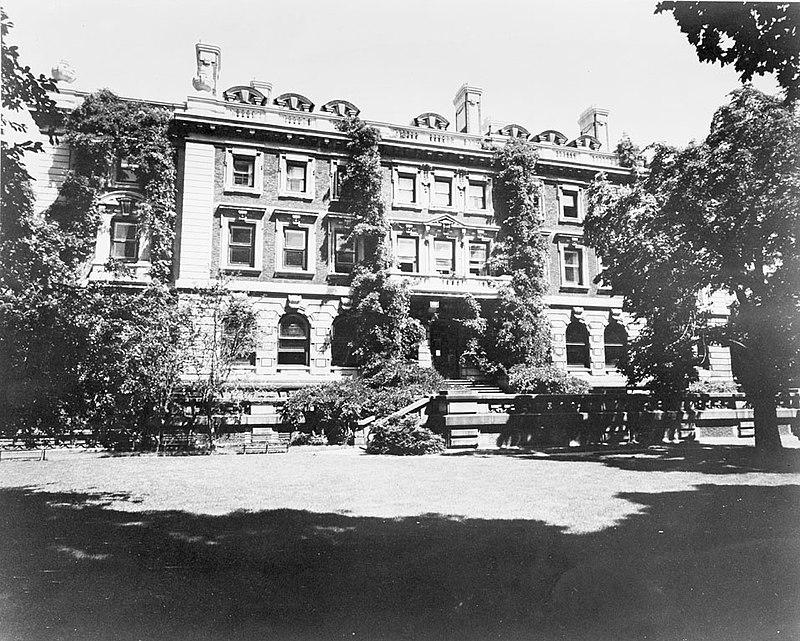
The Carnegie Mansion, originally built as a private residence, has served as the Cooper Hewitt, Smithsonian Design Museum since its transition in 1976. This historic building, located on Manhattan's Upper East Side, was designed by the architect C.P.H. Gilbert and completed in 1902 for industrialist Andrew Carnegie. After Carnegie's death, his wife Louise continued to reside in the mansion until her passing. The mansion's architectural significance and its connection to one of America's wealthiest figures have made it a notable landmark in the area. The transition to a museum was part of a broader initiative to preserve and showcase design and decorative arts, aligning with the Smithsonian Institution's mission to educate and inspire the public through its collections and exhibitions.
The Cooper Hewitt Museum focuses on design in various forms, including graphic design, product design, and textiles. It houses a vast collection of over 210,000 objects, which reflect the evolution of design from historical to contemporary works. The museum also emphasizes interactive experiences, allowing visitors to engage with design concepts through technology and hands-on activities. The impact of the museum extends beyond its collections; it serves as a center for research and education, hosting programs that promote understanding of design's role in everyday life. The establishment of the Cooper Hewitt has contributed to the cultural landscape of New York City, attracting visitors and scholars interested in the intersection of art, design, and history.
#mooflife
#MomentOfLife
#CarnegieMansion
#CooperHewittMuseum
#SmithsonianInstitution
#DesignMuseum
#UpperEastSide
Primary Reference
Cooper Hewitt, Smithsonian Design Museum
Explore the Life Moments of
 AI Twin