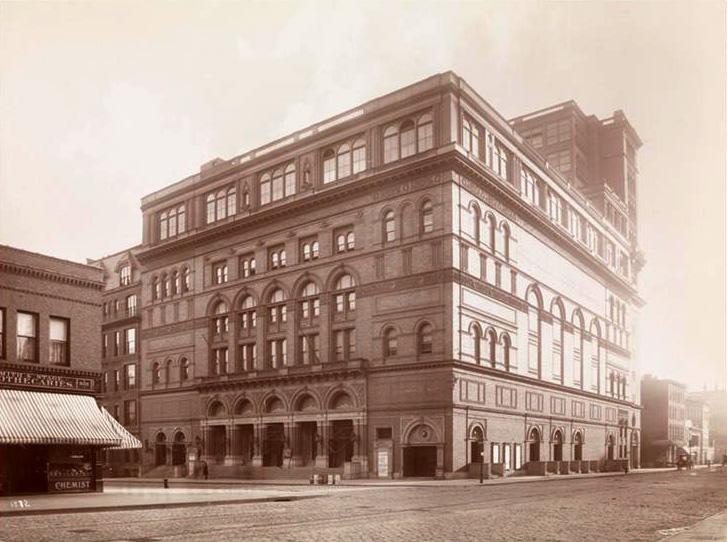
Carnegie Hall opened in New York City
Music History
Architecture
Cultural Heritage
4 min read
Updated By: History Editorial Network (HEN)
Published:
Updated:
Carnegie Hall, located in New York City, was established as a premier music venue, reflecting the vision of its founder, Andrew Carnegie. The hall was constructed to provide a space for musical performances and has since become a symbol of cultural significance in the arts. Carnegie's commitment to music extended beyond the hall itself; he funded the creation of 7,000 pipe organs in various churches and temples, demonstrating his dedication to enhancing musical accessibility across different communities, regardless of religious affiliation. The venue quickly gained a reputation for hosting a diverse range of performances, from classical concerts to contemporary music events, attracting both local and international artists. Over the years, Carnegie Hall has played a crucial role in the development of the performing arts in the United States, serving as a platform for many renowned musicians and composers.
The impact of Carnegie Hall on the cultural landscape is profound. It has hosted numerous world premieres and has been the site of historic performances that have shaped the music industry. The hall's acoustics are highly regarded, making it a sought-after location for artists aiming to deliver exceptional sound quality. Since its opening, Carnegie Hall has remained a vital part of New York City's identity, contributing to the city's reputation as a global cultural hub. The venue's management has also engaged in various educational initiatives, fostering a new generation of musicians and audiences. Today, Carnegie Hall continues to be a leader in the arts, showcasing a wide array of performances and maintaining its legacy as one of the most prestigious concert halls in the world.
#mooflife
#MomentOfLife
#CarnegieHall
#NewYorkCity
#MusicVenue
#CulturalSignificance
#PerformingArts
Primary Reference
Five Facts About Carnegie Hall’s Opening Night in 1891
Explore the Life Moments of
 AI Twin