Carnegie and 'Abdu'l-Bahá Connection
Religion
Philosophy
3 min read
Updated By: History Editorial Network (HEN)
Published:
Updated:
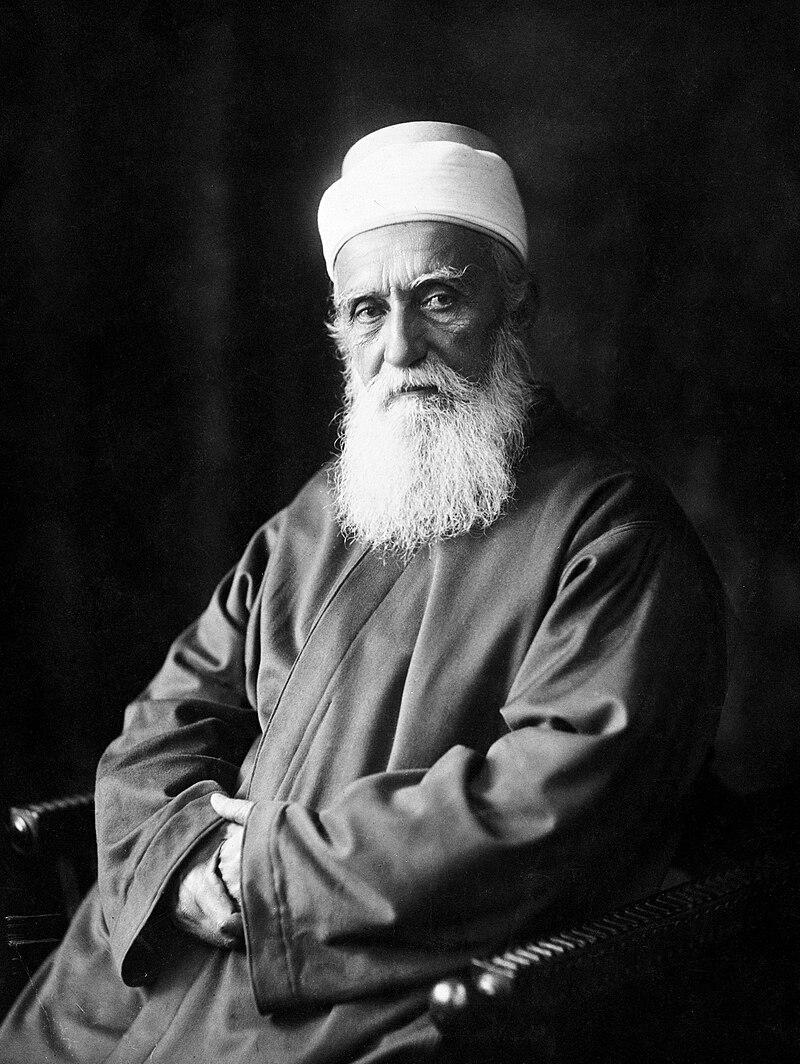
Andrew Carnegie, a prominent industrialist and philanthropist, engaged in a brief correspondence with 'Abdu'l-Bahá, the eldest son of Bahá'u'lláh, who founded the Baháʼí Faith. This exchange occurred during a period when both figures were influential in their respective domains, with Carnegie advocating for peace and social reform, while 'Abdu'l-Bahá was promoting the principles of unity and global harmony. Carnegie's belief in an 'Infinite and Eternal Energy' reflects a philosophical alignment with the Baháʼí teachings, which emphasize the interconnectedness of humanity and the importance of collective progress. The correspondence included letters that highlighted Carnegie's commitment to humanitarian efforts, earning him recognition as a 'lover of the world of humanity' and a contributor to the ideals of Universal Peace. One of these letters was notably published in The New York Times, further amplifying the dialogue between these two influential figures and their shared vision for a more peaceful world.
#mooflife
#MomentOfLife
#Carnegie
#Abdu'l-bahá
#Bahá'íFaith
#UniversalPeace
#Humanitarianism
Primary Reference
Abdu’l-Baha’s Advice to Andrew Carnegie

Explore the Life Moments of
 AI Twin