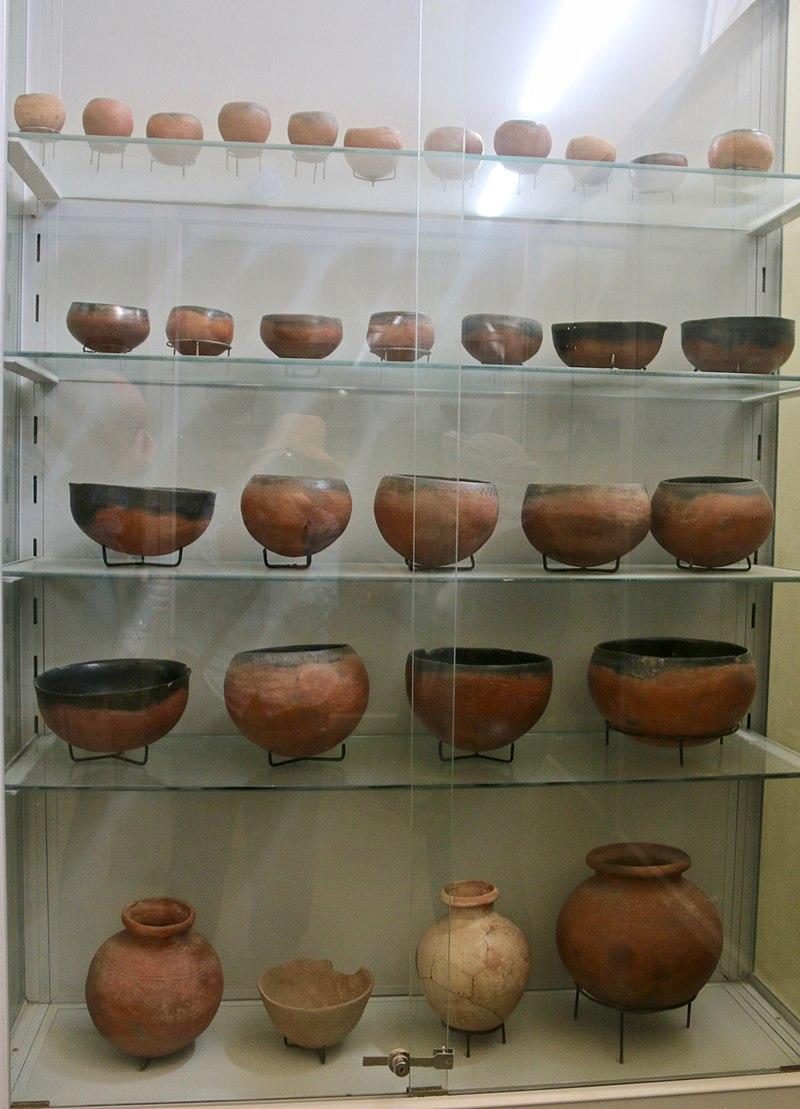
Rise of Upper Nubia and Kerma Pottery Style
Egypt
4 min read
Updated By: History Editorial Network (HEN)
Published:
Updated:
Upper Nubia experienced a significant transformation as the Kerma culture emerged, marking a shift in the region's social and political dynamics. The pre-Kerma phase laid the groundwork for the development of the Middle phase Kerma group, which saw the integration of A-group and C-group peoples. These groups coexisted in Upper Nubia, contributing to a rich cultural tapestry characterized by the production of distinctive pottery. Both groups were known for their creation of red pottery with black tops, although the shapes and styles varied between them. As the C-group influence waned, the Kerma culture began to assert its dominance in Upper Nubia, leading to a period of increased power and independence for the region. This transition was marked by the rise of the Kerma pottery style, which became a defining feature of the area and spread into Lower Nubia, showcasing the cultural and artistic advancements of Upper Nubia during this time.
The impact of the Kerma culture extended beyond pottery, as it played a crucial role in the establishment of Upper Nubia as a significant political entity. The rise of Upper Nubia's power was not only reflected in its pottery but also in its growing influence over trade and interactions with neighboring regions. The Kerma style pottery, known for its quality and craftsmanship, became a symbol of Upper Nubia's cultural identity and economic strength. This period marked a pivotal moment in the history of Nubia, as Upper Nubia transitioned from a collection of smaller groups to a unified culture with a distinct artistic and political presence. The legacy of the Kerma culture continues to be studied, providing insights into the complexities of ancient Nubian societies and their contributions to the broader history of the Nile Valley.
#mooflife
#MomentOfLife
#UpperNubia
#KermaCulture
#NubianPottery
#AncientCivilizations
#NileValleyHistory
Primary Reference
Kerma culture

Explore the Life Moments of
 AI Twin