Establishment and Fall of Napata Capital
Egypt
Ancient Civilizations
Egypt
4 min read
Updated By: History Editorial Network (HEN)
Published:
Updated:
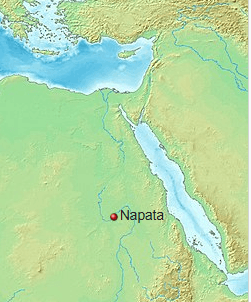
The establishment of Napata as the capital of the Kushite Empire marked a significant shift in the region's political landscape following the Assyrian invasions. After being expelled from Egypt, the Kushites sought to re-establish their power and influence by founding a new capital at Napata. This city became a center for the Kushite dynasty, serving as a hub for trade, culture, and governance. Napata's strategic location allowed it to control trade routes and maintain connections with neighboring regions, which was crucial for the economic stability of the Kushite kingdom. The Kushites, known for their rich cultural heritage and impressive architectural achievements, utilized Napata to reinforce their identity and authority in the face of external threats, particularly from the Egyptians.
However, the prosperity of Napata was short-lived as it faced military challenges from the Egyptians. The city was sacked by Egyptian forces, which significantly impacted the Kushite Empire's stability. Despite this setback, the Kushite kingdom demonstrated resilience, managing to survive for an extended period after the fall of Napata. The Kushites relocated their capital to Meroë, where they continued to thrive for nearly nine centuries. This transition not only preserved the Kushite culture but also allowed for the development of a new center of power that would influence the region for generations. The legacy of Napata and its eventual fall highlights the dynamic interplay of power, culture, and resilience in ancient African civilizations.
#mooflife
#MomentOfLife
#KushiteEmpire
#Napata
#Meroë
#AncientEgypt
#KushiteCulture
Primary Reference
Nubia

Explore the Life Moments of
 AI Twin