Ancient Khartoum in Southern Nubia
Egypt
Archaeology
Ancient Civilizations
3 min read
Updated By: History Editorial Network (HEN)
Published:
Updated:
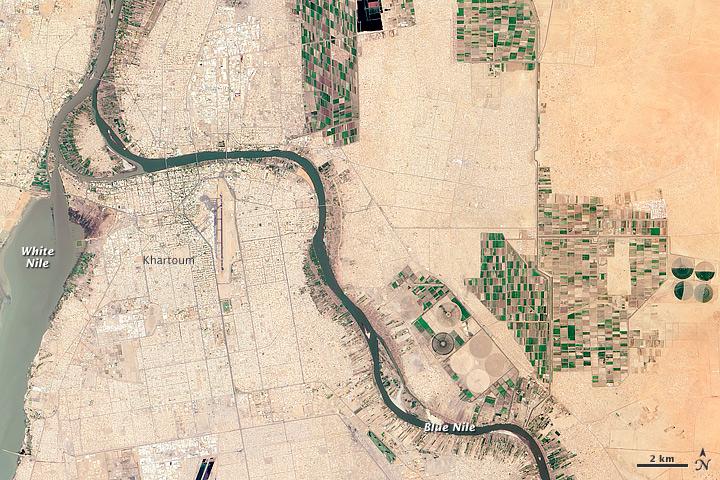
Ancient Khartoum, located in southern Nubia, is recognized for its archaeological significance, particularly during the Mesolithic period. This region, near modern-day Khartoum, was inhabited by fisher-hunter-gatherers who thrived from the ninth to the sixth millennia cal BC. These communities are noted for their advanced pottery production, which reflects their cultural practices and technological capabilities. The pottery from this era is characterized by its sophistication, indicating a level of craftsmanship that was likely essential for their daily activities, including food storage and preparation. The presence of well-preserved remains in this area provides valuable insights into the lifestyle and environmental adaptations of these early inhabitants.
The archaeological findings in southern Nubia, including the remnants of prehistoric camps, highlight the region's long-standing human occupation, with evidence of activities dating back approximately 50,000 years. These sites contain relics of some of the oldest open-air huts known to exist, showcasing the evolution of human settlement patterns. The diverse hunting and gathering loci discovered in the area further illustrate the subsistence strategies employed by these ancient communities. The study of these artifacts not only enhances our understanding of the cultural and technological advancements of the time but also contributes to the broader narrative of human history in northeastern Africa.
#mooflife
#MomentOfLife
#AncientKhartoum
#Nubia
#MesolithicPeriod
#PotteryProduction
#ArchaeologicalSignificance
Primary Reference
Nubia

Explore the Life Moments of
 AI Twin