Construction of Kofun Burial Mounds Begins
Japanese Archipelago
Japanese History
Archaeology
Cultural Heritage
4 min read
Updated By: History Editorial Network (HEN)
Published:
Updated:
Around 250 CE, ancient Japan entered the Kofun period (c. 250–538 CE), a phase marked by the construction of large burial mounds known as kofun, meaning “old mounds.” This transition reflects significant changes in social organization and political structure, as regional communities became more integrated under emerging centers of power.
The Kofun period followed the Yayoi era, during which agriculture, metallurgy, and more complex settlements had already developed. After 250 CE, burial practices became increasingly elaborate, with large-scale tombs built for elite individuals. These kofun required coordinated labor and resources, indicating the presence of organized leadership and growing social hierarchy.
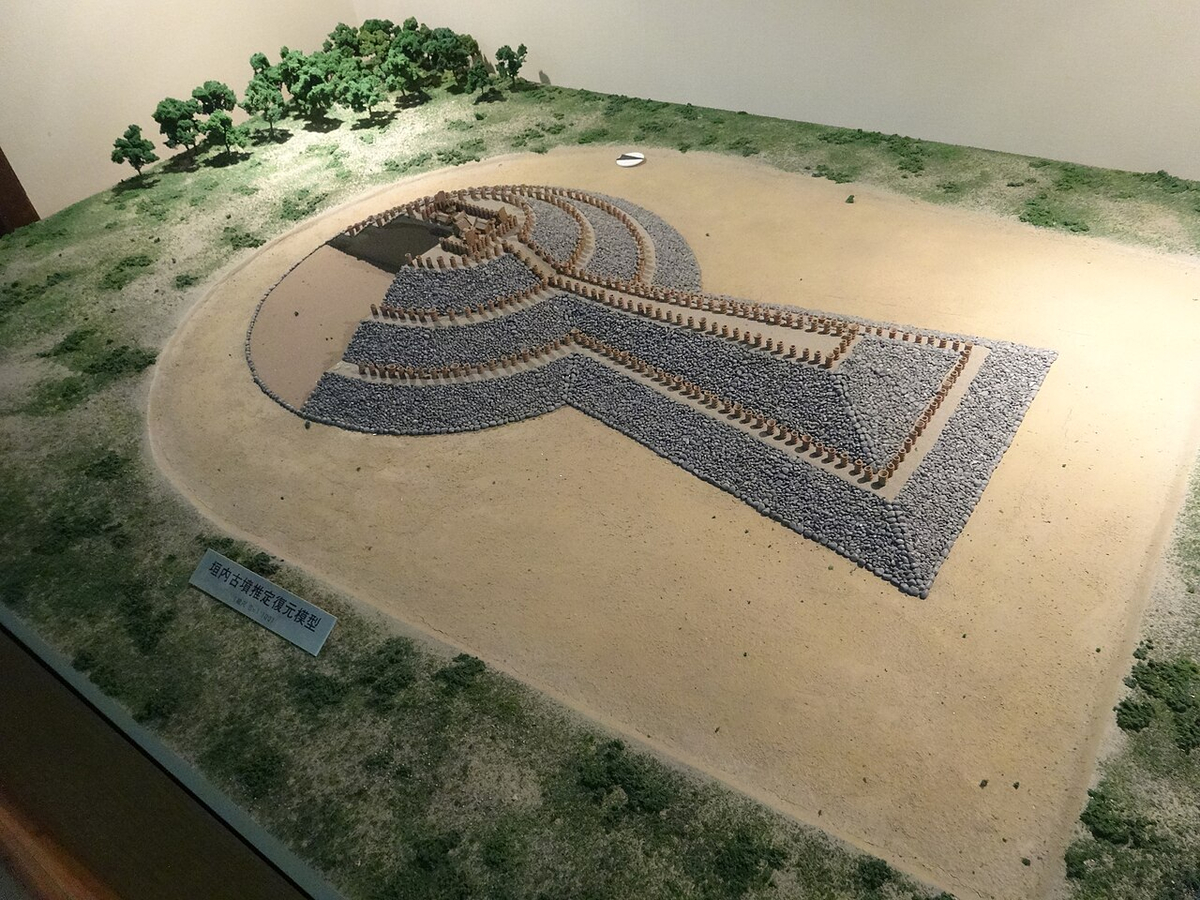
One of the defining features of this period is the appearance of keyhole-shaped tombs, known as zenpō-kōen fun. These structures combine a circular rear section, which contained the burial chamber, with a rectangular front area likely used for ceremonial purposes. The scale and design of these tombs made them prominent features in the landscape, reflecting the authority of those buried within.
The construction of kofun is closely associated with the rise of the Yamato polity, centered in the Kinai region. This political entity gradually expanded its influence over surrounding areas, forming one of the earliest centralized systems of rule in Japan. The distribution of similar burial practices across regions suggests increasing political and cultural connections under this emerging leadership.
The developments around 250 CE mark an important stage in early Japanese history, as shifts in burial customs, social structure, and political organization laid the foundation for later state formation.
#mooflife
#MomentOfLife
#Kofun
#BurialMounds
#JapaneseHistory
#EmperorNintoku
#HaniwaSculptures
Primary Reference
Kofun

Explore the Life Moments of
 AI Twin