Trial and Death of Socrates
Greece
Philosophy
Ethics
3 min read
Updated By: History Editorial Network (HEN)
Published:
Updated:
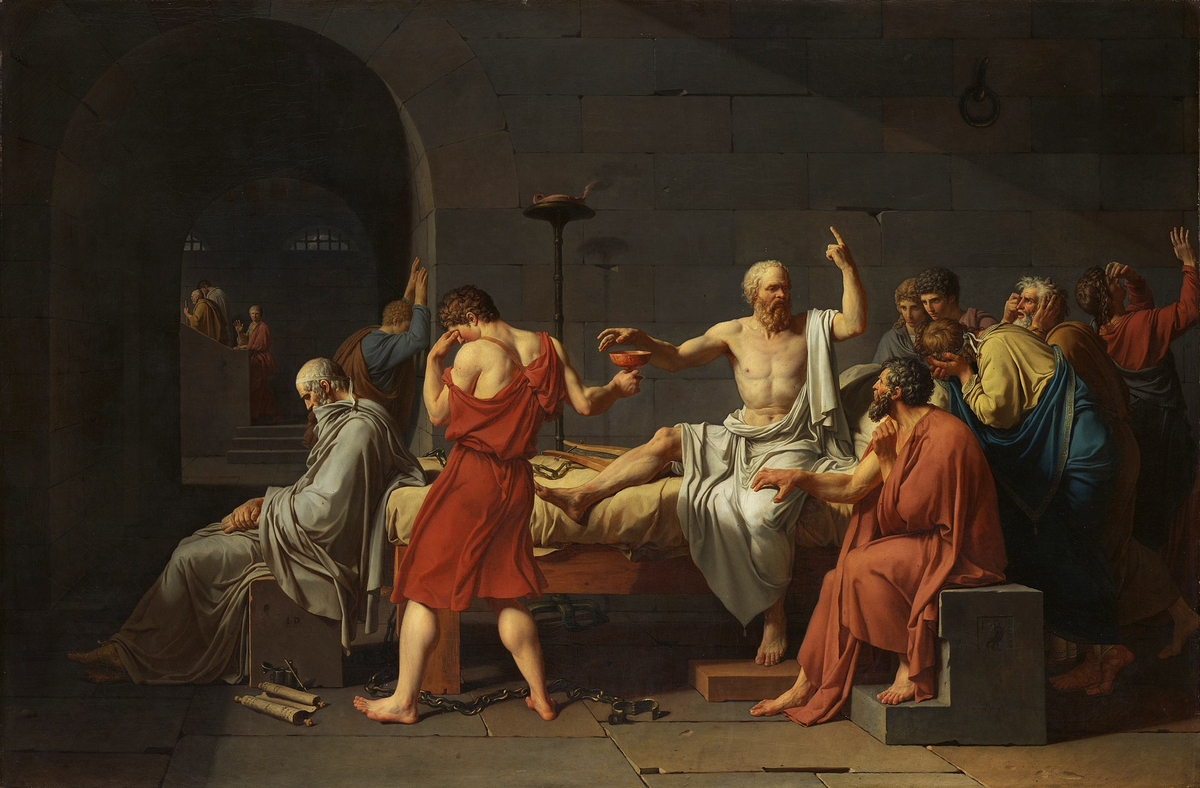
Socrates, a prominent philosopher in ancient Athens, faced trial on charges of impiety and corrupting the youth. His defense during the trial highlighted the tension between individual thought and societal norms, raising questions about the role of the majority in justice. Despite his arguments, which suggested that a majority may not always make the right decision, he was found guilty and sentenced to death. The method of execution involved drinking poison hemlock, a choice that reflected his philosophical stance on accepting one's fate. Socrates' trial and subsequent death have been pivotal in discussions surrounding ethics, governance, and the responsibilities of citizens in a democracy. His execution is often viewed as a critical moment in the history of Western thought, marking him as one of the first intellectual martyrs. The implications of his death extended beyond his lifetime, influencing the works of his student Plato, who critiqued the democratic system that condemned his teacher. Plato's writings often portrayed Socrates as a victim of a flawed judicial process, thus shaping the narrative around democracy and its vulnerabilities. This event has sparked extensive debate regarding the balance between individual rights and the will of the majority, a theme that remains relevant in contemporary discussions about justice and governance.
#mooflife
#MomentOfLife
#Socrates
#TrialOfSocrates
#WesternPhilosophy
#Plato
#Democracy
Primary Reference
https://en.wikipedia.org/wiki/Trial_of_Socrates

Explore the Life Moments of
 AI Twin