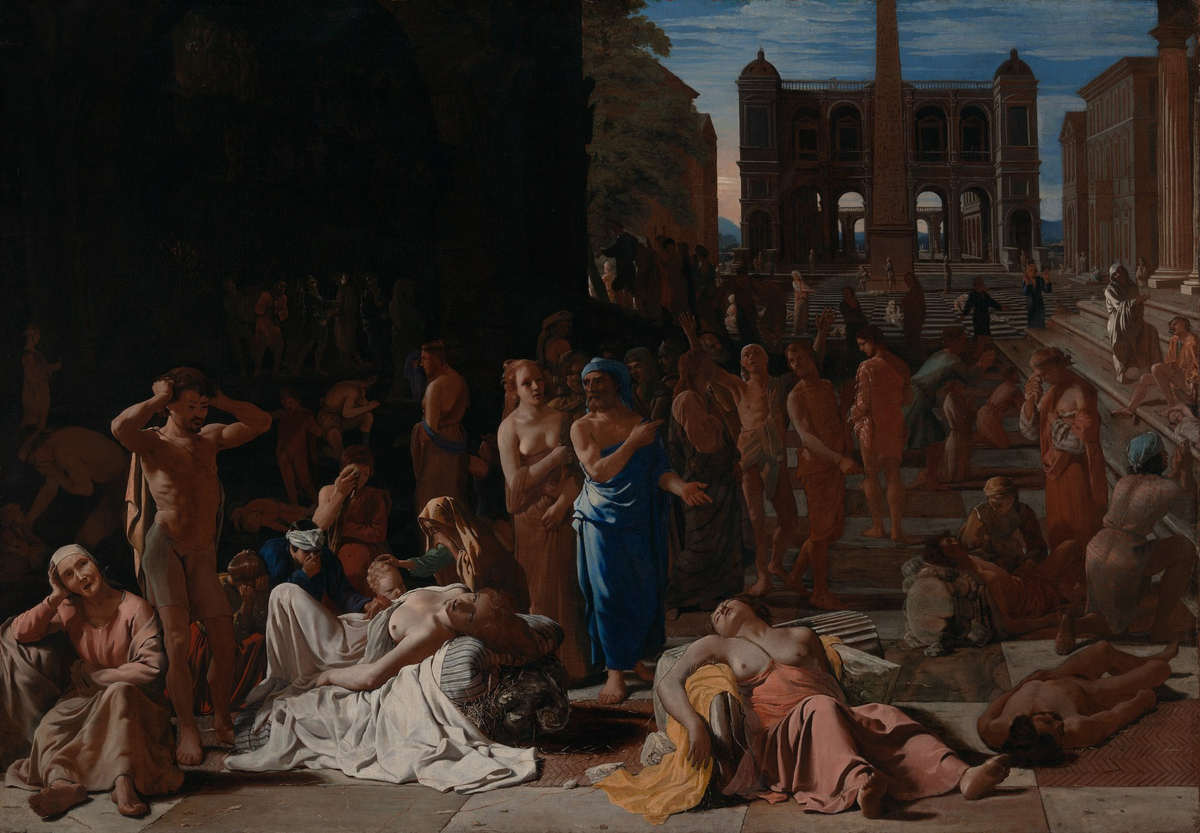
The outbreak of plague in Athens
Greece
Health
Ancient Civilizations
4 min read
Updated By: History Editorial Network (HEN)
Published:
Updated:
The outbreak of plague in Athens had a profound impact on the city-state during a critical period of conflict. The disease resulted in the death of over 30,000 individuals, which included not only citizens but also sailors and soldiers. This catastrophic loss represented a significant portion of the Athenian population, with estimates suggesting that between one-third to two-thirds of the populace succumbed to the illness. Among the notable figures who perished were Pericles, the influential leader of Athens, and his sons, which further destabilized the political landscape of the city. The reduction in manpower was severe, as the city struggled to maintain its military and civic functions amidst the crisis. The fear of contagion was so pervasive that it deterred foreign mercenaries from offering their services to Athens, further exacerbating the city's vulnerabilities during wartime.
The consequences of the plague extended beyond immediate health concerns, influencing military strategies and the broader war effort against Sparta. The Spartan forces, initially poised to invade Attica, ultimately abandoned their plans due to the fear of encountering a city afflicted by disease. This decision reflected the widespread apprehension regarding the plague, which not only decimated Athenian resources but also altered the dynamics of the ongoing conflict. The loss of population and military strength had long-lasting effects on Athens, contributing to its eventual decline in power and influence in the region. The plague serves as a stark reminder of how public health crises can reshape political and military landscapes, with repercussions that can last for generations.
#mooflife
#MomentOfLife
#Plague
#Athens
#Pericles
#Sparta
#AncientHistory

Explore the Life Moments of
 AI Twin