Herodotus and the Birth of History
Greece
Literature
4 min read
Updated By: History Editorial Network (HEN)
Published:
Updated:
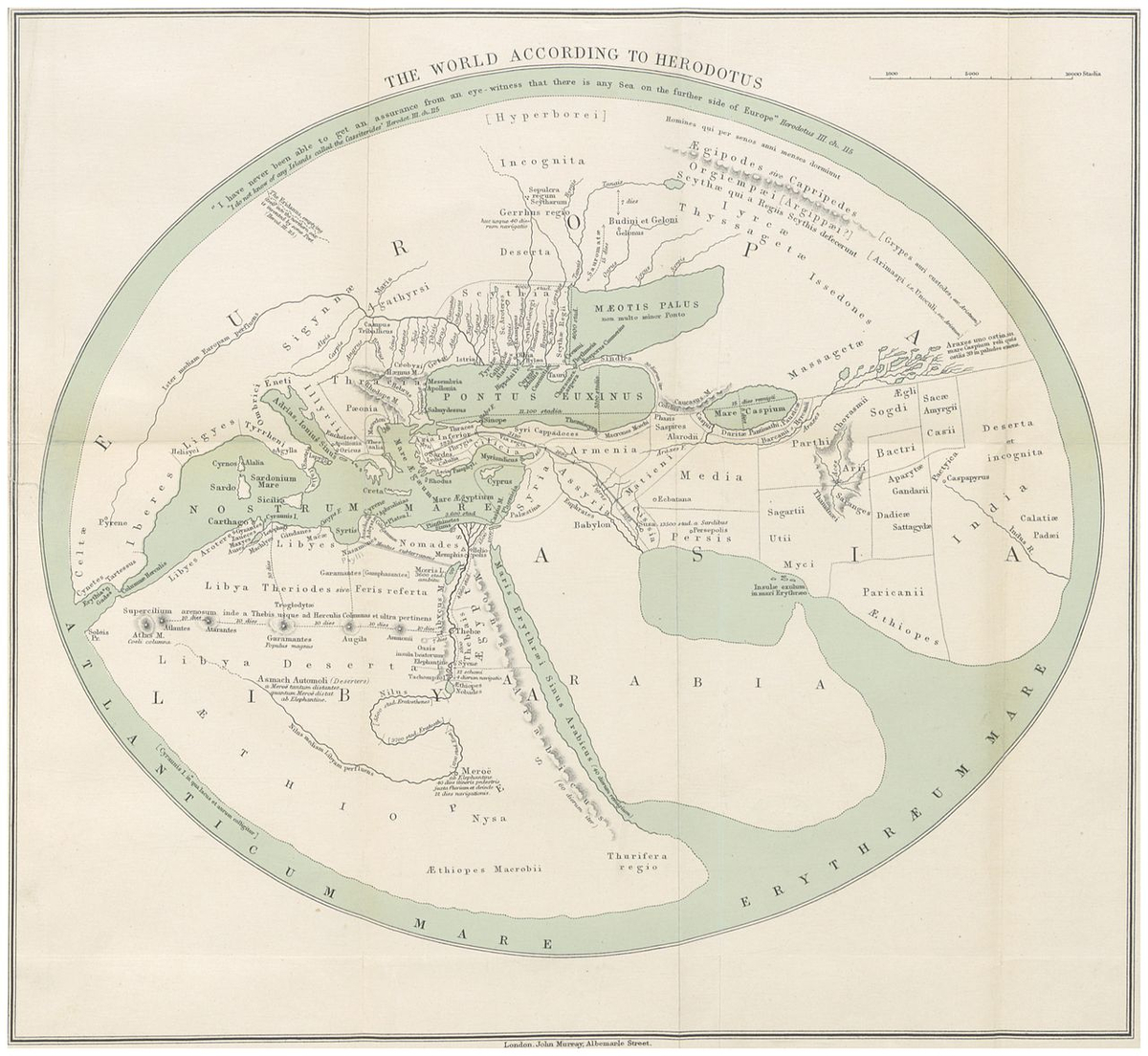
Herodotus, often referred to as the 'father of history', is recognized for his seminal work, 'Histories', which laid the groundwork for the field of historical writing. His writings, composed during the 450s to 420s BC, provide a narrative that spans approximately a century, focusing on significant historical figures from the 6th century BC, including Darius I of Persia, Cambyses II, and Psamtik III. In addition to these figures, Herodotus also references individuals from the 8th century BC, such as Candaules. His approach to history was innovative for its time, as he sought to document events and provide accounts of various cultures, particularly those of the Persian Empire and its interactions with Greece. This method of inquiry and storytelling marked a departure from mythological explanations of the past, emphasizing a more systematic approach to understanding human events.
The impact of Herodotus' work extends beyond its historical content; it has influenced the methodology of historians for centuries. His narrative style combined with a critical examination of sources set a precedent for future historians. However, the accuracy of his accounts has been a subject of debate among scholars. Some argue that his reliance on oral traditions and second-hand accounts may have led to embellishments or inaccuracies. Despite these criticisms, 'Histories' remains a crucial text for understanding the ancient world and the development of historical thought. It serves as a primary source for many aspects of ancient history, providing insights into the political, social, and cultural dynamics of the time. The legacy of Herodotus is evident in the way history is studied and written today, as his work continues to be a reference point for both historians and students alike.
#mooflife
#MomentOfLife
#Herodotus
#FatherOfHistory
#Histories
#AncientHistory
#HistoricalMethodology
Primary Reference
https://en.wikipedia.org/wiki/Herodotus

Explore the Life Moments of
 AI Twin