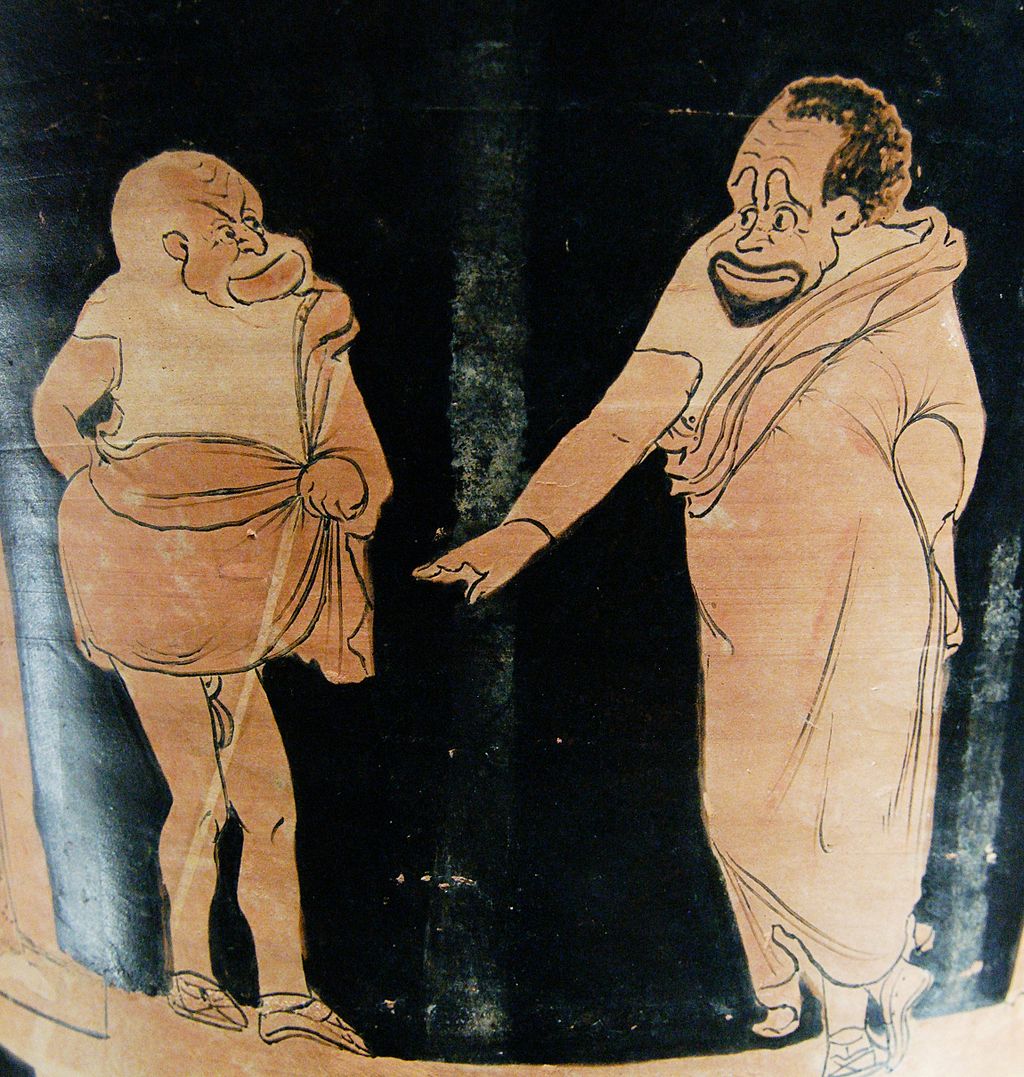
Emergence of Comedy in Classical Poetry
Greece
Literature
Poetry
Classical Studies
4 min read
Updated By: History Editorial Network (HEN)
Published:
Updated:
The emergence of comedy in classical poetry can be traced back to the development of theatrical competitions in ancient Greece, particularly at the City Dionysia in Athens. This festival was a significant cultural event that celebrated the god Dionysus and included various forms of performance, including tragedy and comedy. The formal recognition of comedy as a distinct genre occurred when it became an official part of the festival's competitions. The earliest preserved work of ancient comedy is Aristophanes' 'Acharnians', which showcases the characteristics of this genre, including satirical elements and social commentary. Aristophanes is often regarded as one of the most important figures in the development of comedic literature, and his works provide insight into the political and social issues of his time. The comedic style of Aristophanes often involved the use of exaggerated characters and humorous situations to critique contemporary society, making it a vital part of the cultural landscape of ancient Greece.
The impact of comedy on classical poetry was profound, as it introduced a new form of expression that diverged from the more serious themes typically found in earlier poetic works. Comedy allowed for a more playful exploration of human behavior and societal norms, often using humor as a tool for reflection and critique. The genre not only entertained audiences but also encouraged them to think critically about their own lives and the world around them. The popularity of comedic performances contributed to the evolution of theatrical arts and influenced later literary traditions. The legacy of ancient comedy can still be seen in modern forms of entertainment, where humor continues to serve as a means of social commentary and cultural reflection.
#mooflife
#MomentOfLife
#ClassicalPoetry
#AncientComedy
#Aristophanes
#CityDionysia
#TheatricalArts
Primary Reference
https://en.wikipedia.org/wiki/Ancient_Greek_comedy

Explore the Life Moments of
 AI Twin