Aegean Islands Added to Roman Territory
Greece
Geography
Ancient Civilizations
4 min read
Updated By: History Editorial Network (HEN)
Published:
Updated:
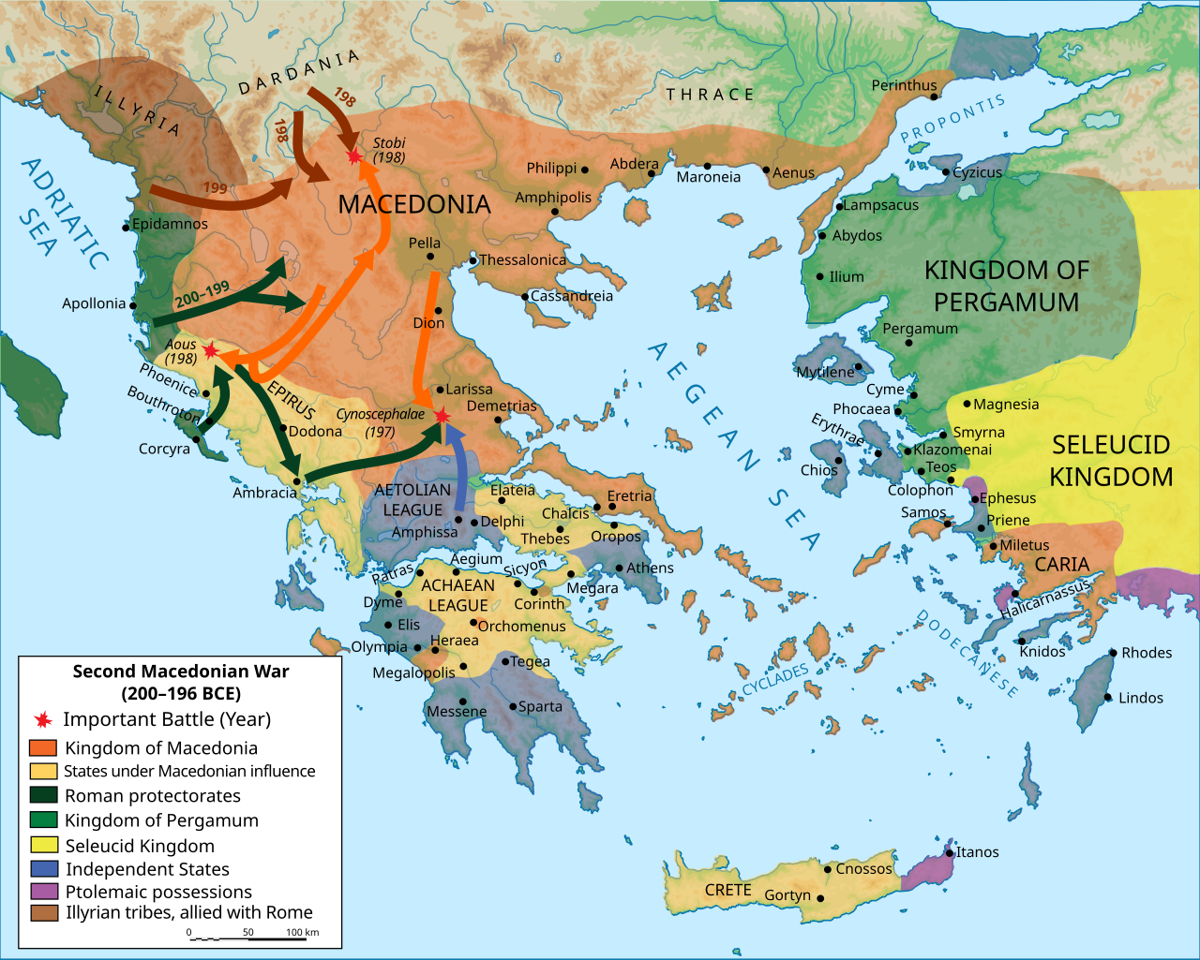
The incorporation of the Aegean Islands into Roman territory marked a pivotal expansion of Roman influence in the eastern Mediterranean. This transition occurred as part of a broader strategy by Rome to consolidate power over the Greek world, which had been fragmented by internal strife and external threats. The Aegean Islands, strategically located between the Greek mainland and Asia Minor, were significant for trade and military operations. Their addition to Roman territory facilitated greater control over maritime routes and enhanced the economic stability of the region. Following this annexation, the islands became integral to the Roman administrative framework, which aimed to integrate local governance with Roman law and customs. This integration was not without challenges, as local populations often resisted Roman rule, leading to uprisings and conflicts. One notable instance of resistance occurred when Athens and other Greek cities revolted, resulting in a military response from the Roman general Sulla, who decisively quelled the insurrection. The aftermath of these conflicts further destabilized the region, exacerbated by the civil wars that plagued Rome itself. The devastation wrought by these wars prompted a reorganization of the territory, culminating in the establishment of the province of Achaea under Augustus. This restructuring aimed to restore order and promote economic recovery, ultimately leading to a period of relative stability in the Aegean Islands under Roman governance.
#mooflife
#MomentOfLife
#AegeanIslands
#RomanEmpire
#GreekHistory
#TerritorialExpansion
#Augustus
Primary Reference
https://en.wikipedia.org/wiki/Greece_in_the_Roman_era

Explore the Life Moments of
 AI Twin