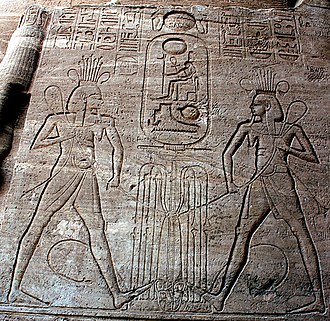
Unification of Upper and Lower Egypt
Egypt
Ancient History
Egyptology
Civilization Development
4 min read
Updated By: History Editorial Network (HEN)
Published:
Updated:
The unification of Upper and Lower Egypt marked a pivotal transition in the history of ancient Egypt, establishing a centralized state that would influence the region for centuries. This event is attributed to Narmer, also known as Menes, who is recognized as the first Pharaoh. The amalgamation of these two distinct regions, characterized by their own cultures and governance, facilitated the emergence of a unified political structure. This unification was not merely a political maneuver; it represented a significant cultural and social integration that allowed for the development of a cohesive identity among the Egyptian people. The Nile River, which flowed through both regions, played a crucial role in this process, serving as a vital resource for agriculture, trade, and transportation, thereby enhancing economic stability and growth.
The impact of this unification was profound, laying the groundwork for the Early Dynastic Period, during which Egypt saw advancements in various fields, including art, architecture, and writing. The establishment of a centralized government allowed for the implementation of laws and the collection of taxes, which contributed to the prosperity of the state. Additionally, the unification led to the construction of monumental architecture, such as temples and pyramids, which symbolized the power of the Pharaoh and the divine nature of kingship. The legacy of this unification is evident in the subsequent dynasties that followed, as they built upon the foundations laid by Narmer, leading to one of the most remarkable civilizations in history.
#mooflife
#MomentOfLife
#AncientEgypt
#UnificationOfEgypt
#Narmer
#Pharaoh
#EarlyDynasticPeriod

Explore the Life Moments of
 AI Twin