Reunification of Egypt by Mentuhotep II
Egypt
Ancient History
Egyptology
Middle Kingdom
4 min read
Updated By: History Editorial Network (HEN)
Published:
Updated:
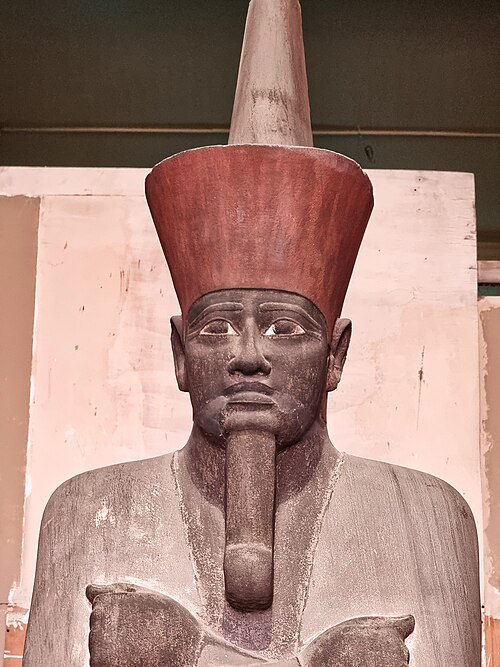
The reunification of Egypt by Mentuhotep II marked a pivotal moment in the history of ancient Egypt, as it ended a prolonged period of division between the northern and southern regions of the country. The conflict arose from the rivalry between the Theban forces, led by Mentuhotep II, and the Herakleopolitan rulers in the north. This clash was not merely a power struggle; it represented a broader struggle for control over the resources and cultural identity of Egypt. The victory of Mentuhotep II over the Herakleopolitan dynasty was significant in restoring centralized governance and stability to the region. Following this victory, Mentuhotep II established himself as the first pharaoh of the Middle Kingdom, a period characterized by economic prosperity, artistic achievement, and advancements in literature and architecture. The reunification allowed for the re-establishment of trade routes and agricultural production, which had been disrupted during the years of conflict.
The impact of this reunification extended beyond immediate political stability. It laid the groundwork for a cultural renaissance that would define the Middle Kingdom. The era saw the construction of monumental architecture, including temples and tombs, which reflected the pharaoh's power and the society's wealth. Additionally, the Middle Kingdom is noted for its advancements in art and literature, with works that explored themes of morality, governance, and the human experience. The reunification under Mentuhotep II not only restored Egypt's territorial integrity but also fostered a sense of national identity that would influence subsequent generations. This period is often regarded as a high point in ancient Egyptian civilization, setting the stage for future developments in governance, culture, and society.
#mooflife
#MomentOfLife
#MentuhotepIi
#EgyptianHistory
#MiddleKingdom
#ReunificationOfEgypt
#AncientEgypt
Explore the Life Moments of
 AI Twin