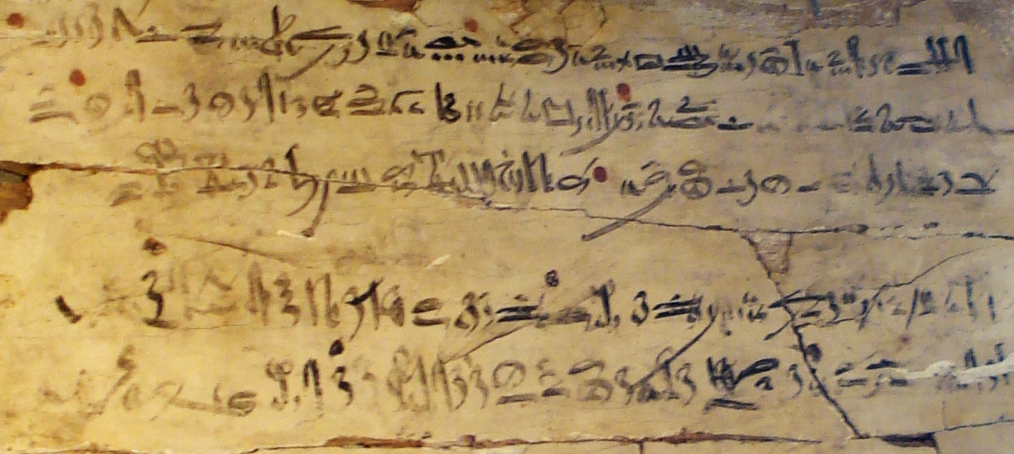
"Instructions of Amenemhat" and other literary texts composed.
Egypt
4 min read
Updated By: History Editorial Network (HEN)
Published:
The "Instructions of Amenemhat" and other literary texts composed during the Middle Kingdom of Egypt (circa 2050–1710 BCE) represent a golden age of Egyptian literature, reflecting a society deeply engaged in intellectual, moral, and political discourse. Attributed to the ghost of Pharaoh Amenemhat I and addressed to his son Senusret I, the "Instructions" offer both personal reflections and political guidance. In this dramatic monologue, the deceased king warns of betrayal, recounts his own assassination, and emphasizes the need for vigilance and wise leadership. It served not only as a political document but also as a tool for educating future officials and kings about the responsibilities and dangers of rule.
This period also saw the creation of other enduring literary works such as "The Tale of Sinuhe," "The Eloquent Peasant," and "The Dialogue of a Man with His Ba." These texts explore themes of identity, justice, loyalty, and the nature of life and death, showcasing a complex and reflective society. Written in classical Middle Egyptian, they were often preserved on papyri and taught in scribal schools, becoming foundational texts for centuries. The literary achievements of the Middle Kingdom demonstrate the richness of Egypt’s intellectual life and its legacy as one of the world’s earliest literary cultures.
\#InstructionsOfAmenemhat #EgyptianLiterature #MiddleKingdom #TaleOfSinuhe #AncientWisdom #PharaohTeachings #ScribalTradition #MomentsOfLife #MoofLife\_Moment #MoofLife

Explore the Life Moments of
 AI Twin