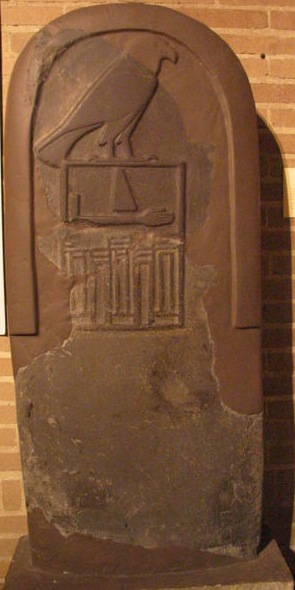
Beginning of the Rule of Qa’a
Egypt
3 min read
Updated By: History Editorial Network (HEN)
Published:
The beginning of the rule of Qa’a, the final pharaoh of Egypt’s 1st Dynasty, marks the closing chapter of a formative era in Egyptian history. Ascending to the throne around 2890 BCE, Qa’a inherited a kingdom that had undergone significant political and cultural development under his predecessors. His reign is seen as a period of consolidation and stability, during which the central government continued to strengthen its control over a unified Egypt. Qa’a maintained the traditions of divine kingship, contributing to the refinement of administrative systems and the further organization of state resources, laying the groundwork for the dynastic transitions to follow.
Qa’a’s burial at Abydos in one of the largest and most elaborate tombs of the 1st Dynasty underscores the continued evolution of royal funerary practices. His tomb, marked by a well-constructed layout and extensive use of inscribed labels and artifacts, reflects advancements in both architecture and state-supported mortuary rituals. These developments highlight not just a reverence for the afterlife but also the growing power and sophistication of the Egyptian monarchy. Qa’a’s reign serves as a bridge between the pioneering rulers of the Early Dynastic Period and the emergence of the 2nd Dynasty, ensuring a smooth succession and enduring legacy of pharaonic rule.
\#MomentsOfLife #MoofLife\_Moment #MoofLife #Qaa #FirstDynasty #AncientEgypt #Abydos #PharaonicHistory #RoyalBurials #EgyptianUnification

Explore the Life Moments of
 AI Twin