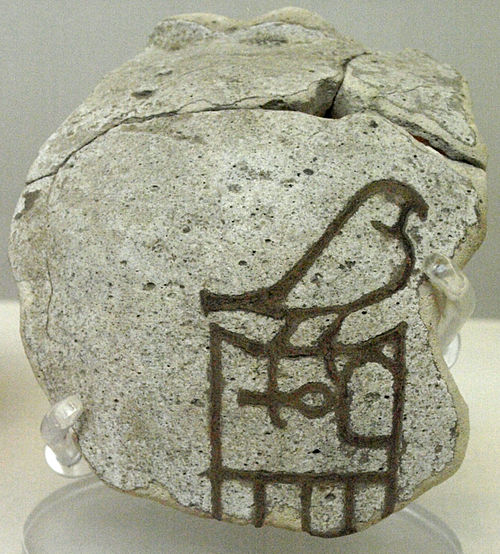
Beginning of the Rule of Hor-Aha
Egypt
4 min read
Updated By: History Editorial Network (HEN)
Published:
Hor-Aha, traditionally considered the successor of Narmer (Menes), played a crucial role in solidifying the foundations of the newly unified Egyptian state during the Early Dynastic Period, around 3100 BCE. Often regarded as the first official pharaoh of the 1st Dynasty, Hor-Aha continued the centralization of political power initiated by his predecessor and further established the symbols and structures of royal authority. His name, which means "Fighting Hawk," reflects both his divine association with the god Horus and his role as a warrior-king in the early consolidation of Egypt. Hor-Aha is credited with developing the administrative and religious institutions that would underpin pharaonic rule for centuries to come.
During his reign, Hor-Aha is believed to have reinforced Memphis as the political capital, strategically located to manage both Upper and Lower Egypt. He also initiated extensive building projects and supported the establishment of religious centers, most notably linked to the worship of Neith and Horus. Archaeological evidence from his tomb at Abydos suggests elaborate funerary practices and the early use of royal iconography, demonstrating the evolution of statecraft and divine kingship. Hor-Aha’s reign helped transition Egypt from a loosely connected collection of nomes (districts) into a cohesive, centralized kingdom, setting the precedent for the dynastic legacy that would follow.
\#MomentsOfLife #MoofLife\_Moment #MoofLife #HorAha #FirstDynasty #AncientEgypt #PharaonicRule #EgyptianHistory #EarlyDynasticPeriod #DivineKingship

Explore the Life Moments of
 AI Twin