Beginning of the Rule of Djer
Egypt
3 min read
Updated By: History Editorial Network (HEN)
Published:
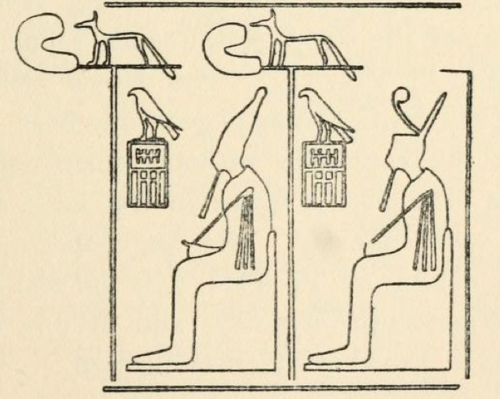
The beginning of the rule of Djer, the third pharaoh of Egypt’s 1st Dynasty, marks a period of continued consolidation and expansion in the early history of the unified Egyptian state. Following the reigns of Narmer and Hor-Aha, Djer inherited a kingdom that was steadily developing its political, religious, and cultural identity. His reign, estimated to have begun around 3050 BCE, was characterized by both administrative refinement and military activity. Evidence suggests that Djer conducted campaigns into neighboring regions, possibly including parts of the Sinai Peninsula and Nubia, asserting Egypt’s dominance and securing its borders in these early formative years.
Djer’s contributions to Egypt’s evolving religious and state systems were significant. He was buried at Abydos, in a tomb that reflects increasing complexity in royal burials and the growing emphasis on the pharaoh’s divine status. The presence of subsidiary burials around his tomb—possibly those of servants or officials—hints at the early practices surrounding royal mortuary cults. Djer's reign also appears in the royal annals and king lists, underscoring his recognized role in the lineage of divine rulers. As one of the early pharaohs, Djer played a foundational role in shaping the ceremonial and governing traditions that would define ancient Egypt for centuries.
\#MomentsOfLife #MoofLife\_Moment #MoofLife #Djer #FirstDynasty #AncientEgypt #PharaonicHistory #RoyalBurials #AbydosTomb #EgyptianStateFormation

Explore the Life Moments of
 AI Twin