Beginning of the Old Kingdom
Egypt
Ancient History
Architecture
Art and Culture
4 min read
Updated By: History Editorial Network (HEN)
Published:
Updated:
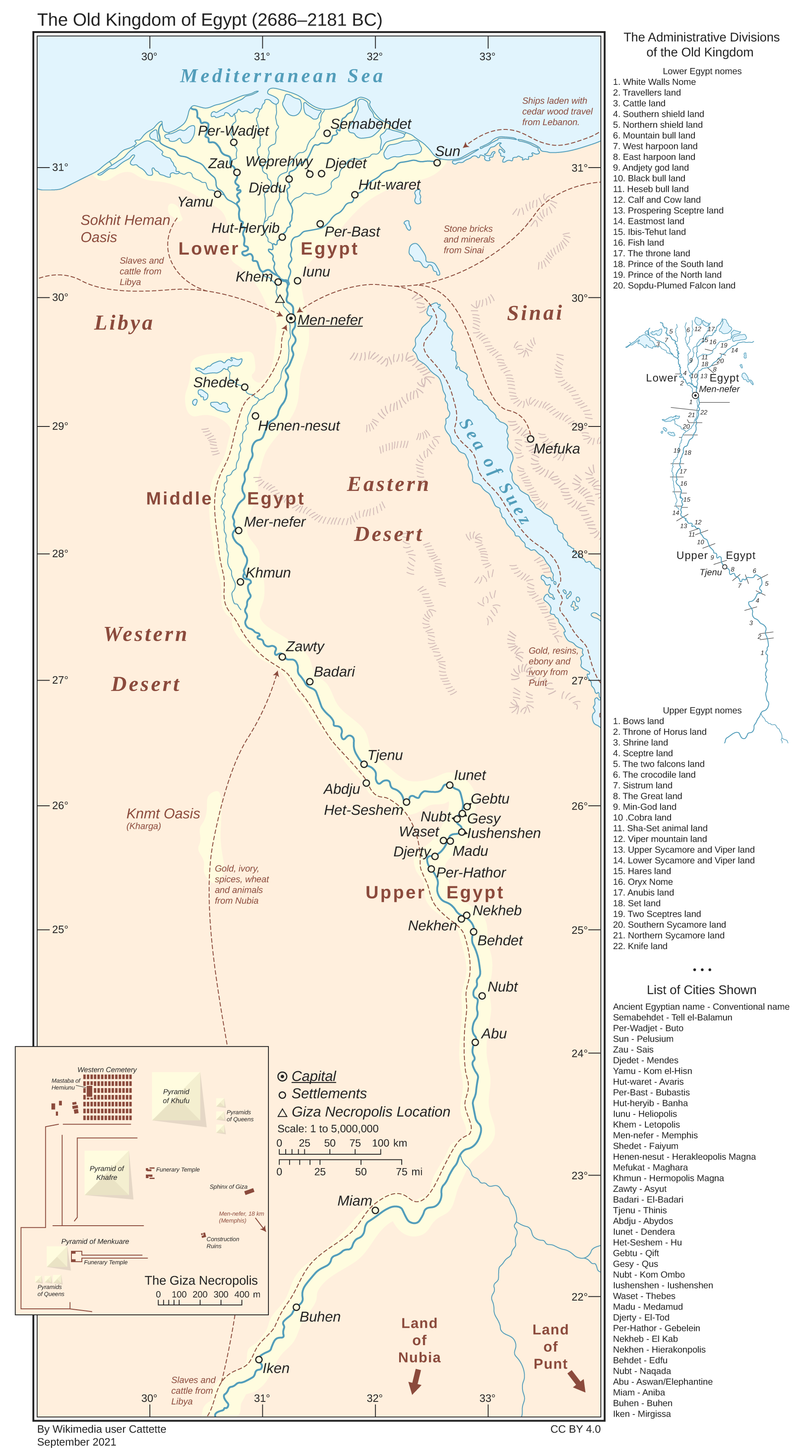
The Old Kingdom of Egypt marked a pivotal era in ancient history, characterized by significant advancements in various fields such as architecture, art, and technology. This period was facilitated by a robust central administration that effectively managed resources and labor, leading to increased agricultural productivity. The surplus in food production supported a growing population, which in turn contributed to the flourishing of culture and society. One of the most notable achievements of the Old Kingdom was the construction of the pyramids, which served as monumental tombs for pharaohs and reflected the society's religious beliefs and the importance of the afterlife. The Great Pyramid of Giza, one of the Seven Wonders of the Ancient World, exemplifies the architectural prowess of this time and remains a testament to the engineering skills of ancient Egyptians.
The impact of the Old Kingdom extended beyond its immediate achievements. It established a framework for governance and societal organization that influenced subsequent periods in Egyptian history. The centralized authority allowed for the mobilization of labor and resources on an unprecedented scale, enabling large-scale construction projects and the development of complex religious practices. The era also saw the emergence of a distinct artistic style that would influence generations to come. Statues, reliefs, and other forms of art from this period often depicted pharaohs and deities, reinforcing the divine right of kings and the central role of religion in daily life. The legacy of the Old Kingdom is evident in the continued reverence for its monuments and cultural practices, which shaped the identity of ancient Egypt for centuries.
#mooflife
#MomentOfLife
#OldKingdom
#AncientEgypt
#Pyramids
#Architecture
#CulturalHeritage

Explore the Life Moments of
 AI Twin