Assassination of a President
Washington, D.C., United States
Politics
Assassination
3 min read
Updated By: History Editorial Network (HEN)
Published:
Updated:
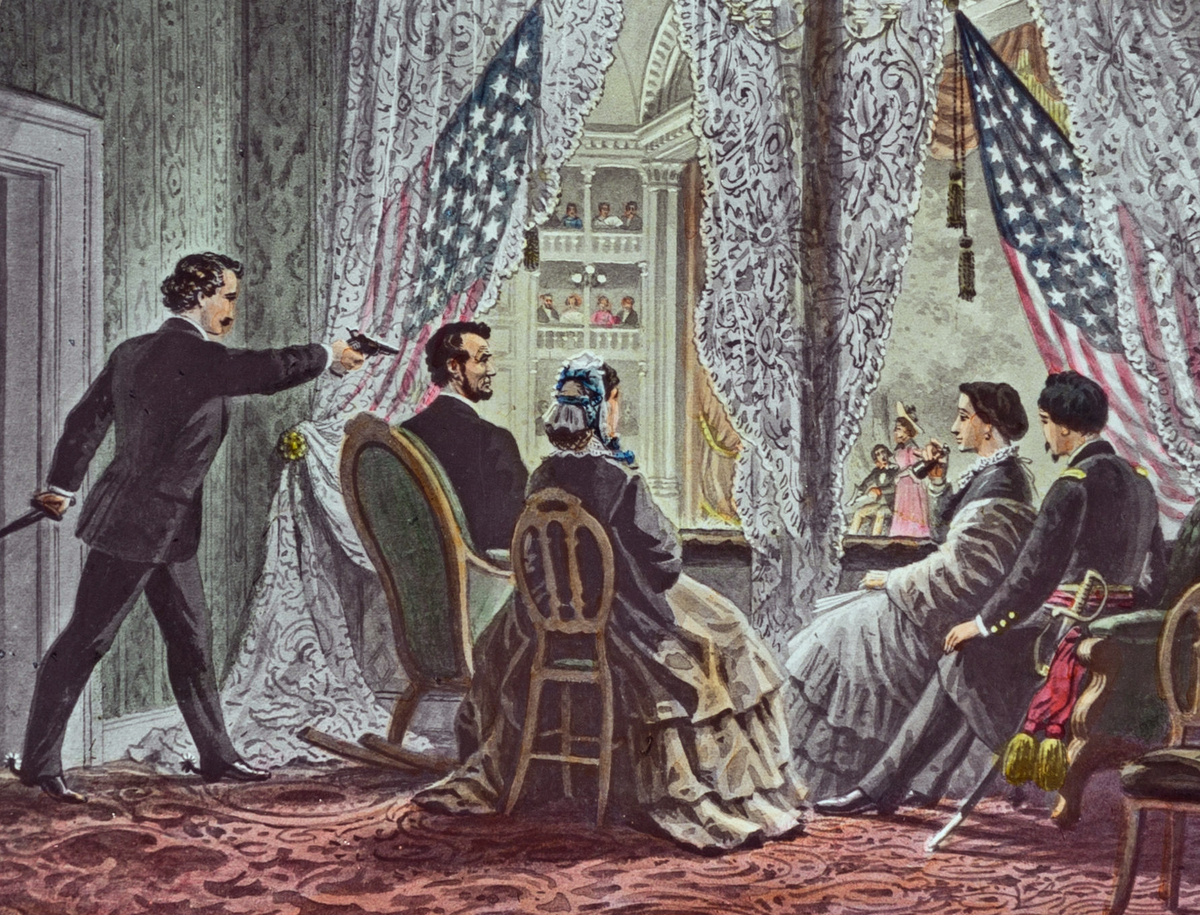
The assassination of President Abraham Lincoln marked a pivotal moment in American history, occurring shortly after the conclusion of the Civil War. Lincoln was shot by an assassin, which resulted in his death the following day. This event transpired just days after the surrender of Confederate General Robert E. Lee at Appomattox Court House, symbolizing the end of a brutal conflict that had torn the nation apart. The Civil War had resulted in the collapse of the Confederacy, the abolition of slavery, and the liberation of approximately four million enslaved individuals. Lincoln's leadership was instrumental in navigating the country through this tumultuous period, and his assassination left a profound impact on the nation as it entered the Reconstruction era.
The aftermath of Lincoln's assassination had significant implications for the United States. The nation was already grappling with the challenges of rebuilding and reconciling the divided states. Lincoln's vision for a lenient Reconstruction policy was abruptly halted, leading to a more punitive approach by his successors. This shift in policy contributed to ongoing tensions between the North and South, as well as the struggle for civil rights for newly freed African Americans. The assassination not only altered the course of Reconstruction but also left a lasting legacy on American politics and society, as it underscored the fragility of democracy and the deep-seated divisions within the country.
#mooflife
#MomentOfLife
#AbrahamLincoln
#Assassination
#CivilWar
#Reconstruction
#AmericanHistory
Primary Reference
Assassination of Abraham Lincoln

Explore the Life Moments of
 AI Twin