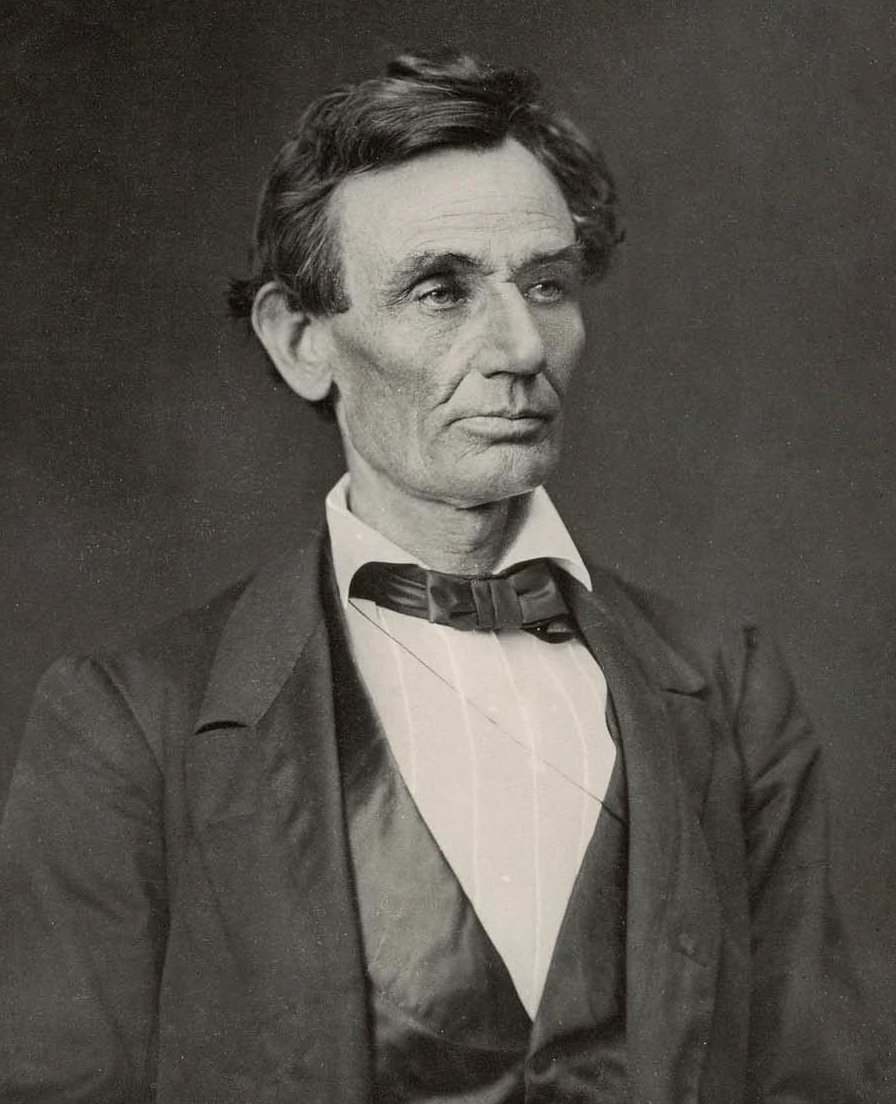
Abraham Lincoln wins presidential election
Washington, United States
U.S. History
Civil War
Presidential Elections
3 min read
Updated By: History Editorial Network (HEN)
Published:
Updated:
Abraham Lincoln's election as president marked a pivotal moment in American history, primarily due to the contentious issue of slavery. His victory was met with significant apprehension among Southern leaders, who believed that Lincoln's policies would halt the expansion of slavery and potentially lead to its eventual abolition. This fear was rooted in the economic structure of the Southern states, particularly those in the Deep South, where the economy heavily relied on cotton production, which was sustained by slave labor. The Southern states viewed Lincoln's presidency as a direct threat to their way of life and economic interests.
In response to Lincoln's election, seven slave states in the Deep South declared their secession from the Union. This act of secession was driven by the belief that their rights to maintain the institution of slavery were under imminent threat. The declarations of secession not only highlighted the deep divisions within the country but also set the stage for the Civil War, as the conflict over slavery and states' rights escalated. The economic implications of this division were profound, as the Southern states' economies were intricately linked to the cotton industry, which depended on enslaved labor. Lincoln's presidency thus became a catalyst for a national crisis that would reshape the United States.
#mooflife
#MomentOfLife
#AbrahamLincoln
#PresidentialElection
#Slavery
#Secession
#CivilWar
Primary Reference
1860 United States presidential election

Explore the Life Moments of
 AI Twin