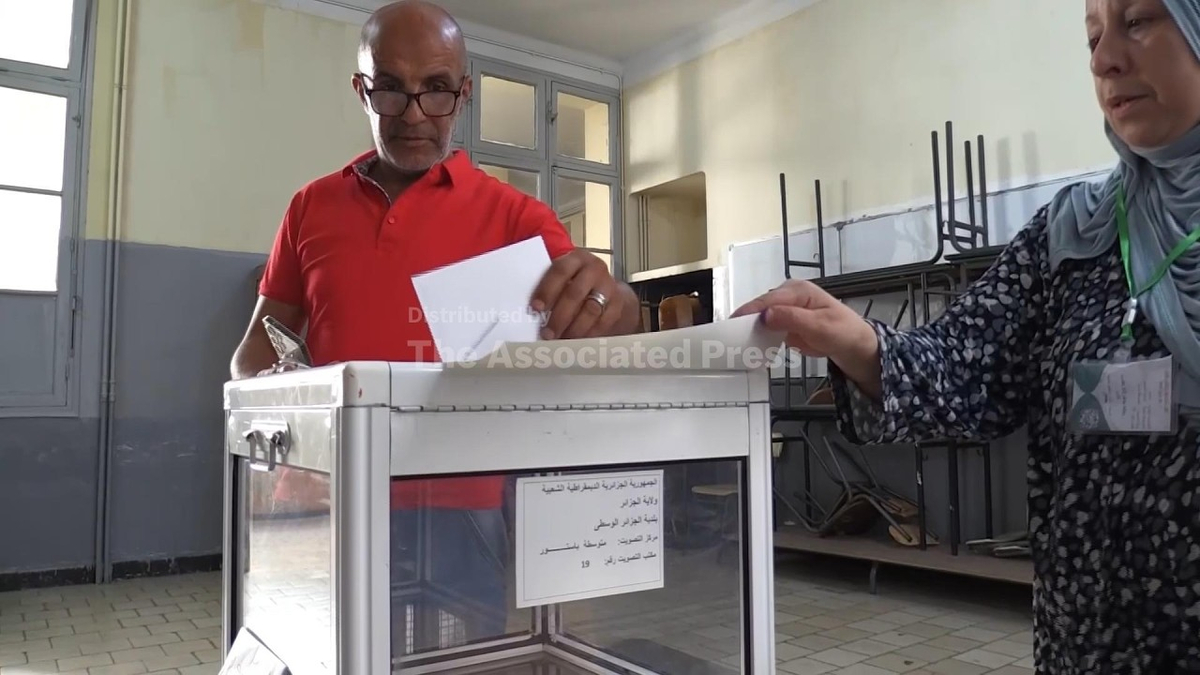
2026 Algerian Parliamentary Election Returns Pro-Government Majority Amid Record Low Voter Turnout
Algeria
Political
6 min read
Updated By: History Editorial Network (HEN)
Published:
Algeria held its 2026 parliamentary election on 02/07/2026, electing all 407 members of the People's National Assembly for a five year term. The vote resulted in another majority for parties aligned with the country's governing establishment, ensuring continued legislative support for President Abdelmadjid Tebboune. The election, however, was overshadowed by historically low voter participation, with final official turnout reaching 21.24% inside Algeria and 10.75% among Algerians living abroad, reflecting widespread political disengagement.
The National Liberation Front (FLN) remained the largest party despite losing seats, winning 91 seats, followed by the National Democratic Rally (RND) with 74 seats. The Future Front secured 56 seats, while the Movement of Society for Peace (MSP) won 43 seats, down sharply from the previous legislature. The National Construction Movement (El Binaa) obtained 40 seats, and independent candidates won 33 seats. Together, the governing coalition retained control of the legislature, preserving the political balance that has characterized Algerian politics in recent years.
Public participation remained the defining feature of the election. Nearly four out of five eligible voters chose not to cast a ballot, with analysts and observers linking the low turnout to public frustration over inflation, living costs, unemployment, public services, and limited confidence in the political process. The government declared election day a public holiday to encourage voting, but turnout remained well below previous parliamentary elections.
The campaign also drew attention because of candidate eligibility decisions. Before voting, the National Independent Authority for Elections (ANIE) disqualified a substantial number of candidate lists, including individuals associated with the 2019 Hirak protest movement and other opposition figures. Election authorities stated the exclusions were based on legal and anti corruption requirements, while critics argued the measures narrowed political competition and reduced voter confidence.
Why This Moment Matters:
The 2026 parliamentary election demonstrated that Algeria's existing political leadership retained institutional control while highlighting persistent challenges in voter participation and public trust. The contrast between stable parliamentary outcomes and historically low turnout became one of the election's most closely watched aspects, drawing attention to broader debates about political engagement and representation in the country.
#Algeria
#ParliamentaryElection
#AlgerianPolitics
#FLN
#AbdelmadjidTebboune
#NorthAfrica
#Election2026

Explore the Life Moments of
 AI Twin