Einstein's Interdisciplinary Impact on Science and Medicine
German
Science
Medicine
3 min read
Updated By: History Editorial Network (HEN)
Published:
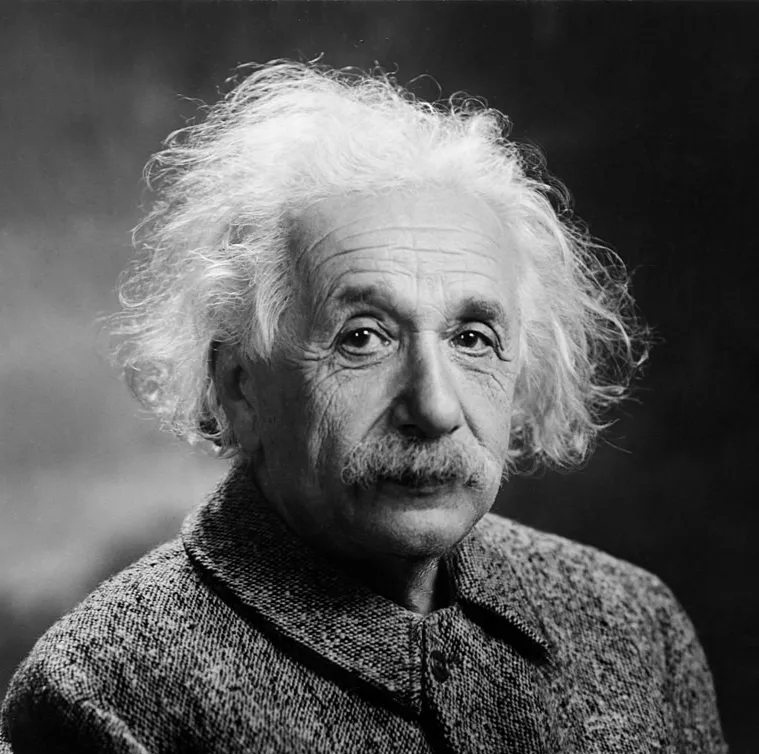
Albert Einstein was recognized by the University of Rostock with an honorary Doctor of Medicine (Dr. med. h.c.) for his contributions to science and its interdisciplinary impact. Although primarily known as a physicist, Einstein's work had profound implications in the field of medical science. His theories provided deeper insights into processes that could lead to advancements in medical technology and treatments.
Einstein's development of the theory of relativity transformed the understanding of time and space. These concepts were integral to improving imaging technologies like Magnetic Resonance Imaging (MRI), which relies on principles of nuclear magnetic resonance. Einstein's ability to transcend disciplinary boundaries highlighted the interconnectedness of various fields of study, showcasing how advancements in one area could drive progress in another.
The honorary degree underscored Einstein's multifaceted influence and the importance of collaborative efforts between different scientific disciplines. It also reflected the academic community's recognition of his indirect yet significant contributions to the medical field. This event underlined the benefits of embracing interdisciplinary research and the broader impact of scientific advancements on society.
#AlbertEinstein #Science #Medicine #UniversityOfRostock #InterdisciplinaryResearch #MRI #Innovation #AcademicRecognition #HistoricalMoment #MoofLife
Explore the Life Moments of
 AI Twin