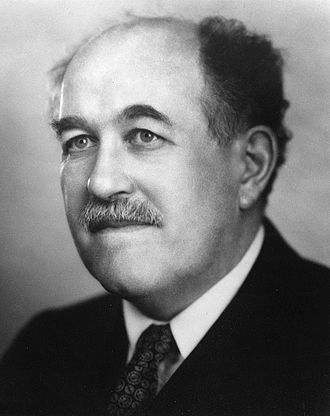
Collaborative Study on Zero-Point Energy in Hydrogen Gas by Einstein and Stern
German
Science
Physics
3 min read
Updated By: History Editorial Network (HEN)
Published:
Updated:
Albert Einstein and Otto Stern collaborated to investigate zero-point energy, focusing on hydrogen gas. Zero-point energy refers to the lowest possible energy that a quantum mechanical physical system can have, which is not zero due to the uncertainty principle. This collaboration aimed to compare theoretical predictions with experimental observations.
During their research, Einstein and Stern sought to reconcile their theoretical models with empirical data. They delved into the quantum nature of the hydrogen molecule, with Einstein contributing his deep understanding of quantum theory. Stern supported the endeavor with his expertise in experimental physics, guiding their efforts to design accurate experiments.
Their work significantly advanced the understanding of quantum mechanics. It provided insights into molecular behavior and quantum states, cementing foundational concepts in the emerging field of quantum theory. This collaboration exemplified the synthesis of theoretical physics and experimental verification, a hallmark of scientific progress.
#Einstein #OttoStern #QuantumMechanics #ZeroPointEnergy #HydrogenGas #Physics #MoofLife
Explore the Life Moments of
 AI Twin