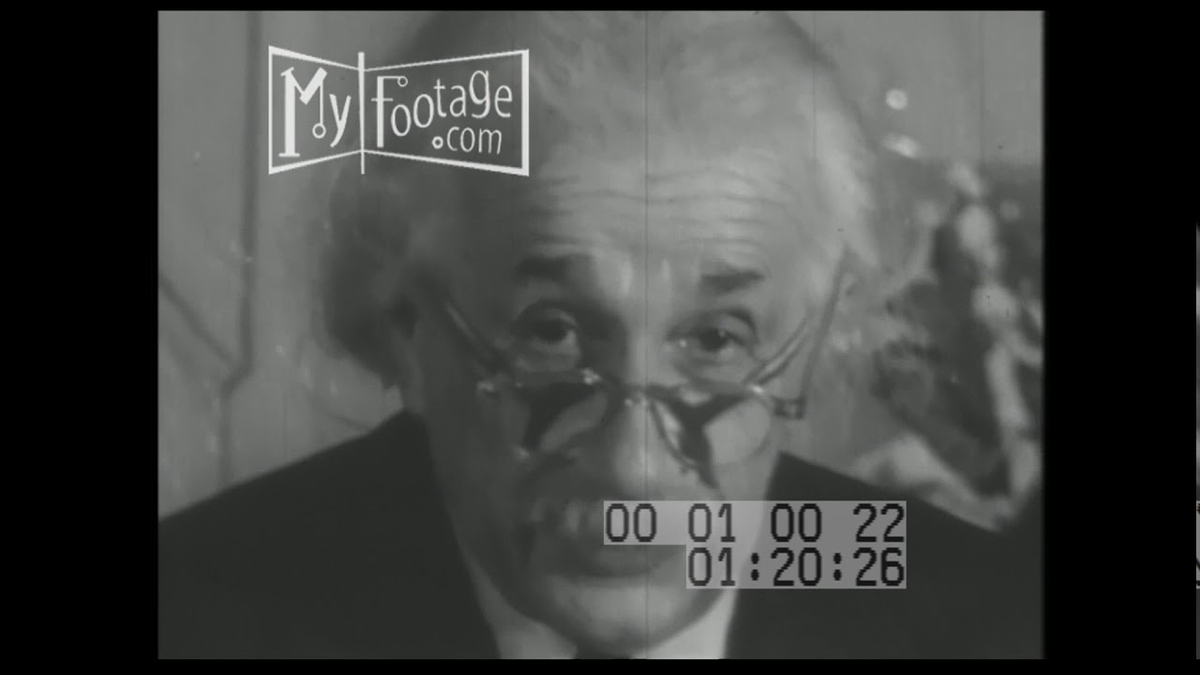
Albert Einstein's Nobel Prize: A Symbol of Global Influence and Scientific Achievement.
German
Science
3 min read
Updated By: History Editorial Network (HEN)
Published:
Updated:
Albert Einstein, renowned physicist, was awarded the Nobel Prize in Physics for his services to Theoretical Physics and his discovery of the photoelectric effect. When the Nobel ceremony took place, Einstein was unable to attend due to prior commitments. Specifically, he was on a lecture tour in Japan, sharing his groundbreaking work with the scientific community there.
Despite his absence, the Nobel Prize was presented to him, highlighting the significance of his contributions to science. The award was accepted on his behalf by a representative, underscoring Einstein's global influence and the high regard in which his work was held. His pioneering research had shed new light on the nature of light and energy, influencing both theoretical and experimental physics.
The impact of Einstein’s award extended beyond the scientific community, reinforcing the value of intellectual exploration and innovation. His recognition by the Nobel Committee brought increased attention to his theories and validated the importance of his contributions to the world of physics.
Einstein’s inability to attend the ceremony in person did not diminish the honor or the recognition of his achievements. Instead, it served as a testament to his dedication to sharing knowledge, even as he continued to inspire and educate others across the globe.
#Physics #Einstein #NobelPrize #PhotoelectricEffect #Science #Innovation #MoofLife
Explore the Life Moments of
 AI Twin