Albert Camus's Notebooks 1935-1942: Insights into the Mind of a Literary and Philosophical Giant.
France
Literature
Philosophy
4 min read
Updated By: History Editorial Network (HEN)
Published:
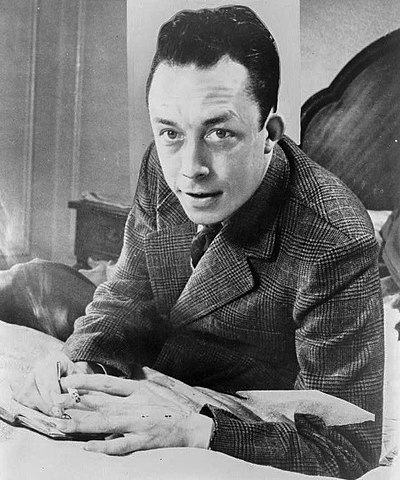
Albert Camus, a prominent figure in 20th-century literature and philosophy, left a considerable impact on intellectual and existential thought. Among his notable works, "Carnets, mai 1935 — fevrier 1942 (Notebooks 1935–1942)" was published posthumously. This publication compiled his personal reflections, insights, and experiences during a pivotal period of his life, starting from 1935, before he gained widespread recognition, and continuing through to early 1942. These years encompassed significant historical events, including the lead-up to and the early years of World War II, which profoundly influenced Camus's thoughts and writings.
The release of these notebooks offered scholars and enthusiasts an unfiltered glimpse into Camus's mind, revealing the origins of his philosophical explorations that culminated in works like "The Stranger" and "The Myth of Sisyphus." This publication provided context and depth to his existential inquiries and contributed to a deeper understanding of his philosophical and literary evolution.
Interest in Camus's notebooks was considerable, shedding light on his creative process and the personal struggles he faced. The notebooks intricately document his grappling with themes of absurdity, rebellion, and the quest for meaning in a seemingly indifferent universe. This opened up new avenues for academic study, allowing for a more nuanced interpretation of his work and enabling readers to connect more intimately with his journey.
The impact of this publication reverberated throughout the literary and philosophical communities, reaffirming Camus's position as a critical thinker and writer. It sparked renewed interest in his existing body of work and cemented his status as an integral voice in existential thought.
#AlbertCamus #Philosophy #Existentialism #Literature #MoofLife #PosthumousPublication #WorldWarII #IntellectualHistory
Primary Reference
Albert Camus - RationalWiki
Explore the Life Moments of
 AI Twin