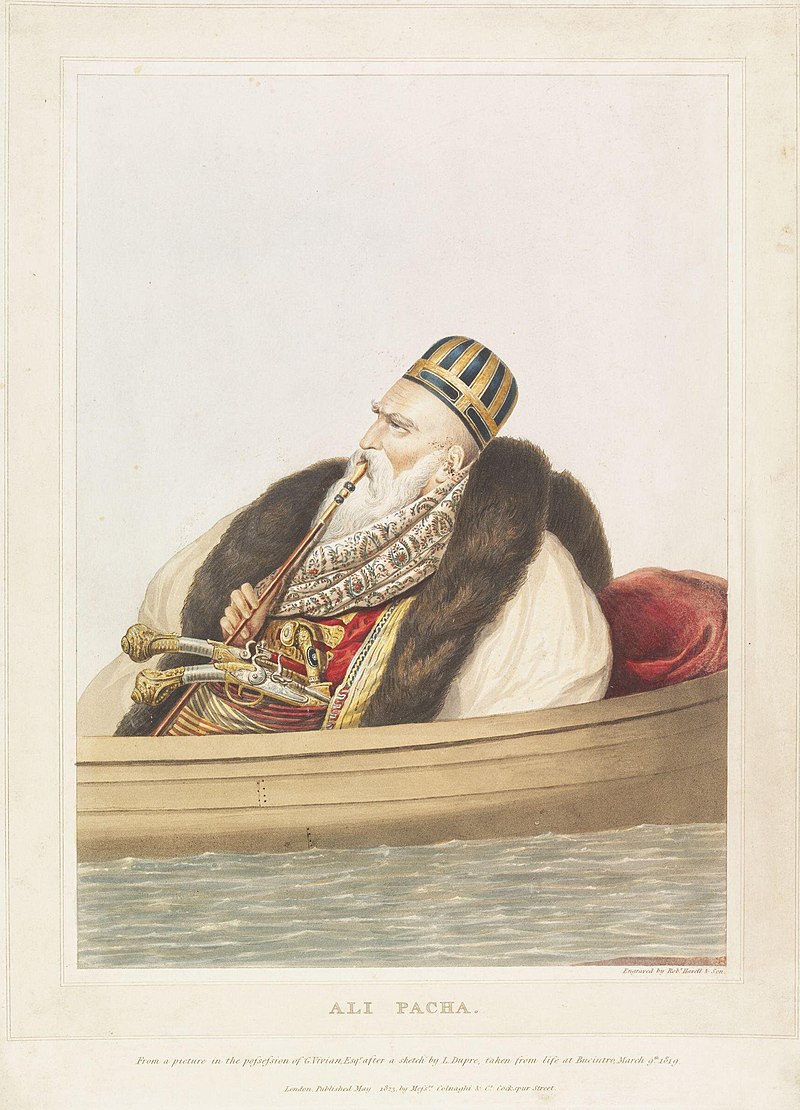
Ali Pasha's assassination marks end of autonomous rule in Albania and a shift in Ottoman power dynamics.
Albania
Political
3 min read
Updated By: History Editorial Network (HEN)
Published:
Ali Pasha of Tepelena, a prominent Albanian ruler, faced troubled relations with the Ottoman Empire due to his growing power and autonomy. After being declared an enemy of the Empire, tensions escalated, leading to his assassination. Despite his ruthless tactics to maintain control, Ali Pasha was well-regarded for his cultural patronage and efforts to modernize the region.
The impact of Ali Pasha's assassination reverberated throughout Albania and the Ottoman Empire, signaling a shift in power dynamics. His death marked the end of an era characterized by strong regional rule and autonomy. The Ottomans aimed to consolidate their authority and assert dominance over rebellious leaders like Ali Pasha.
The assassination of Ali Pasha of Tepelena underscores the complex interplay between local rulers and imperial powers in the Balkans during the 19th century. It highlights the challenges faced by those who sought to challenge the authority of the Ottoman Empire and the consequences of defying its rule.
#AliPasha #Assassination #OttomanEmpire #Albania #PowerStruggles

Explore the Life Moments of
 AI Twin