Meeting with Polish Cipher Bureau
United Kingdom
Cryptography
World War II
3 min read
Updated By: History Editorial Network (HEN)
Published:
Updated:
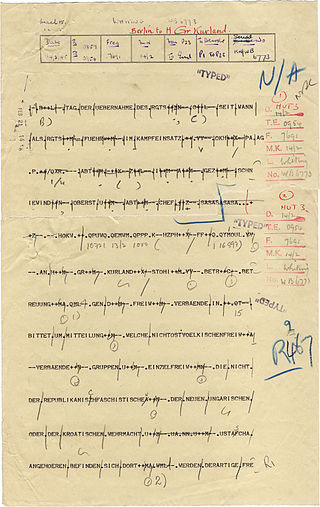
The meeting with the Polish Cipher Bureau marked a pivotal moment in the efforts to decrypt German communications during World War II. The Polish Cipher Bureau had been working on the Enigma machine, a device used by the Germans to encode military messages. In a meeting near Warsaw, the Polish cryptographers shared critical information with British and French intelligence officials, including the wiring details of the Enigma machine's rotors and their methods for decrypting messages. This collaboration was crucial as it provided the Allies with a foundational understanding of the Enigma's mechanics, which were essential for developing effective countermeasures against German communications. The Polish method, however, relied on an insecure indicator procedure that the Germans were likely to alter, which they did shortly after the meeting. This change necessitated further innovation in cryptanalysis techniques. Following this exchange, British mathematician Alan Turing and his colleague Gordon Welchman began to develop a broader solution that would enhance the ability to decode Enigma messages, ultimately leading to significant advancements in the field of cryptography and intelligence gathering. Turing's work laid the groundwork for the development of the Bombe machine, which automated the decryption process and significantly increased the speed at which encoded messages could be deciphered, providing the Allies with a strategic advantage in the war.
#mooflife
#MomentOfLife
#EnigmaMachine
#PolishCipherBureau
#Cryptography
#AlanTuring
#WorldWarIi

Explore the Life Moments of
 AI Twin