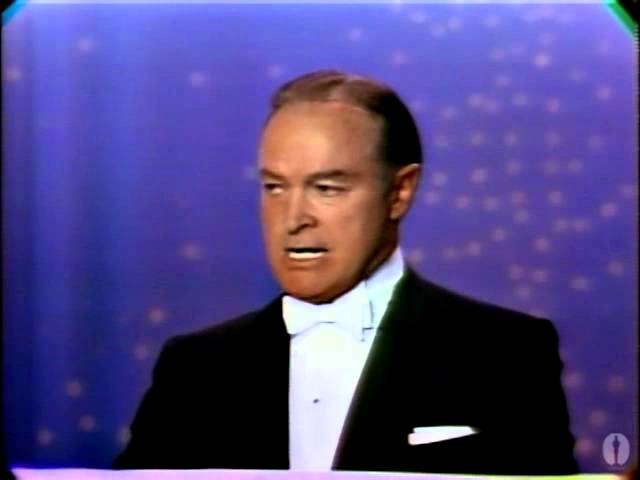
First Color Telecast of Oscars
Santa Monica Civic Auditorium, California, United States
Film History
Television Broadcasting
Awards Ceremonies
6 min read
Updated By: History Editorial Network (HEN)
Published:
Updated:
The transition to color telecasts for the Academy Awards marked a pivotal shift in the presentation of this prestigious event. By the mid-1960s, the Academy Awards had established itself as a significant cultural event in the United States, attracting millions of viewers. The move to color broadcasting not only enhanced the visual appeal of the ceremonies but also reflected broader technological advancements in television. This change allowed audiences to experience the glamour of Hollywood in a more vibrant and engaging manner, showcasing the elaborate costumes and set designs in a way that black-and-white broadcasts could not. The ceremonies were relocated from traditional hotel banquet rooms to larger venues, starting with the Santa Monica Civic Auditorium, which could accommodate a greater audience and provide a more dynamic atmosphere for the event. This shift in venue and format contributed to the growing popularity of the Oscars, as it became a more accessible and visually stimulating experience for viewers at home.
The impact of the first color telecast extended beyond just the visual experience; it also influenced the way the Academy Awards were perceived and marketed. The introduction of color television coincided with a period of significant growth in the television industry, and the Oscars capitalized on this trend to enhance its brand. The event began to attract not only film enthusiasts but also a broader audience interested in the spectacle of Hollywood. The move to larger venues, such as the Dorothy Chandler Pavilion, further solidified the Oscars' status as a major entertainment event. This evolution in presentation helped to establish the Academy Awards as a cultural touchstone, setting the stage for future innovations in broadcasting and audience engagement. As a result, the first color telecast of the Oscars is remembered not just for its technological advancement but also for its role in shaping the future of televised award shows.
Host: Bob Hope
Best Picture & Best Director:- The Sound of Music - Directed by Robert Wise
Awards won: 5 Oscars
Included: Best Picture, Best Director
Notable nominees: Doctor Zhivago, Darling, Ship of Fools, A Thousand Clowns
Acting category winners:- Best Actor: Lee Marvin - Cat Ballou, Best Actress: Julie Christie - Darling, Best Supporting Actor: Martin Balsam - A Thousand Clowns, Best Supporting Actress: Shelley Winters - A Patch of Blue
Major additional highlights:- Best Foreign Language Film: The Shop on Main Street (Czechoslovakia), Best Adapted Screenplay: Doctor Zhivago, Best Original Score: Doctor Zhivago, Best Original Song: The Shadow of Your Smile - The Sandpiper, Best Visual Effects: Thunderball
#mooflife
#MomentOfLife
#AcademyAwards
#ColorTelecast
#HollywoodHistory
#TelevisionEvolution
#CulturalImpact
Primary Reference
The 38th Academy Awards | 1966

Explore the Life Moments of
 AI Twin