Practices Leading to Starvation During Dakota War
United States
War
Starvation
3 min read
Updated By: History Editorial Network (HEN)
Published:
Updated:
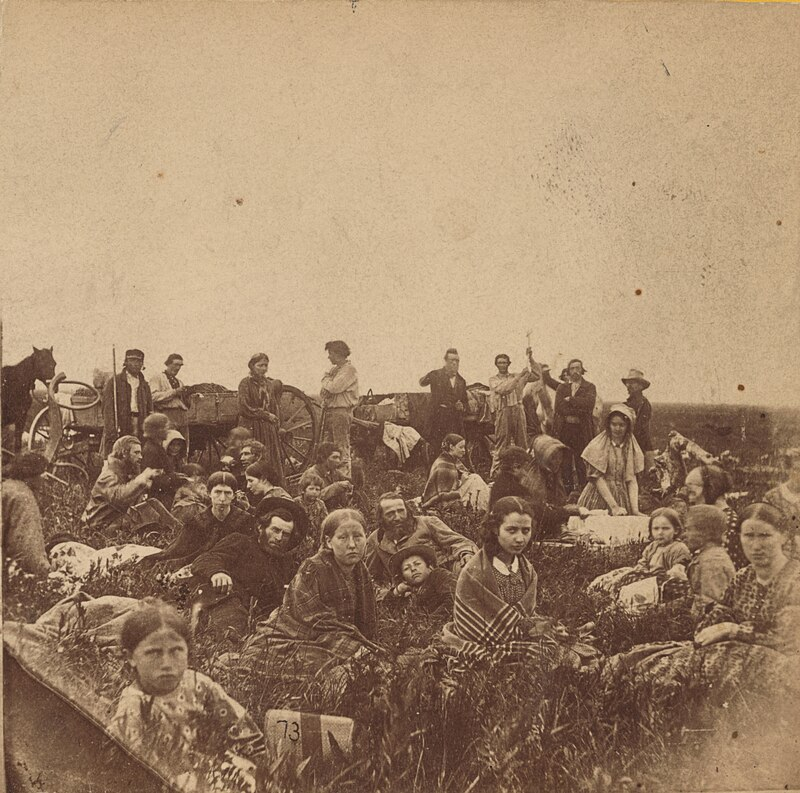
The Dakota War, which erupted in Minnesota, was rooted in a series of grievances stemming from American treaty violations and exploitative trading practices that severely impacted the Dakota people. The U.S. government had repeatedly failed to uphold treaties that guaranteed the Dakota access to resources and support, leading to widespread starvation among the community. As food supplies dwindled, tensions escalated, culminating in violent confrontations. The conflict resulted in the deaths of hundreds of settlers and the displacement of approximately 30,000 individuals from their homes. This upheaval not only highlighted the dire consequences of broken treaties but also raised fears among settlers of a larger conspiracy, mistakenly linking the conflict to the ongoing Civil War. The federal response included military intervention, which further complicated the situation and led to significant loss of life on both sides. The Dakota War serves as a critical example of how systemic injustices and neglect can lead to violent conflict, with long-lasting repercussions for the affected communities and the broader region.
#mooflife
#MomentOfLife
#DakotaWar
#AmericanHistory
#TreatyViolations
#NativeAmericanRights
#ConflictAndDisplacement
Primary Reference
Dakota War of 1862

Explore the Life Moments of
 AI Twin