Lincoln's Second Inaugural Address Analysis
United States
Politics
Speech
3 min read
Updated By: History Editorial Network (HEN)
Published:
Updated:
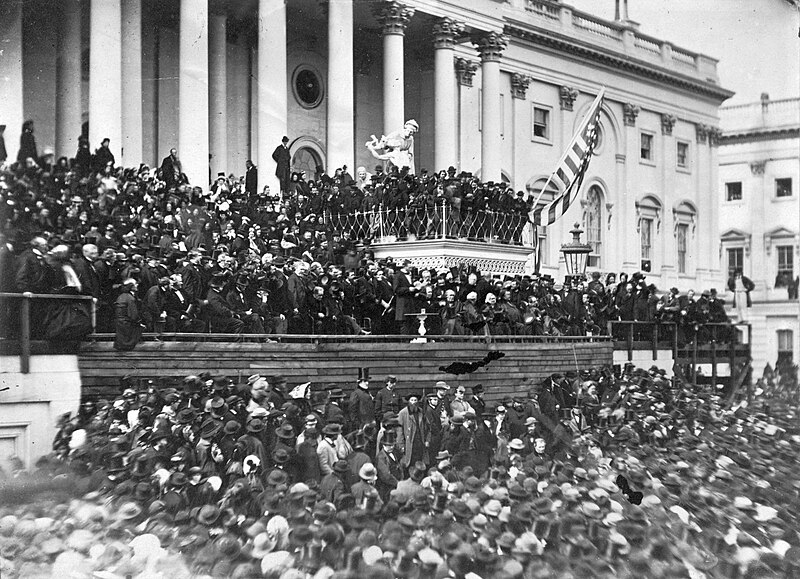
Lincoln's Second Inaugural Address was delivered at the U.S. Capitol during a time of deep national division due to the Civil War. The address is notable for its focus on themes of reconciliation and healing, reflecting Lincoln's desire to unite a fractured nation. He acknowledged the immense suffering caused by the war and the need for the country to move forward together. The speech is often regarded as one of the most important texts in American history, encapsulating the moral and political challenges faced by the nation at that time. Lincoln's words emphasized the importance of understanding and forgiveness, urging both the North and South to work towards a common future rather than dwelling on past grievances.
The impact of Lincoln's address extended beyond its immediate context, influencing subsequent generations' views on unity and national identity. The speech is frequently cited in discussions about American values and the ongoing struggle for equality and justice. Lincoln's call for malice toward none and charity for all has resonated through the years, serving as a guiding principle for leaders and citizens alike. The address is often studied for its rhetorical power and its ability to articulate the complexities of the American experience, making it a cornerstone of American political discourse.
#mooflife
#MomentOfLife
#Lincoln
#SecondInauguralAddress
#CivilWar
#Reconciliation
#AmericanHistory
Primary Reference
Abraham Lincoln's second inaugural address

Explore the Life Moments of
 AI Twin