Lincoln's Presidency and Assassination
United States
Politics
Biography
4 min read
Updated By: History Editorial Network (HEN)
Published:
Updated:
Abraham Lincoln served as the 16th President of the United States, leading the nation through its Civil War and working to end slavery. His presidency was marked by significant events, including the issuance of the Emancipation Proclamation, which declared the freedom of slaves in Confederate-held territory. Lincoln's leadership style was characterized by his ability to communicate effectively and his commitment to preserving the Union. He faced numerous challenges, including opposition from various factions within the government and military, as well as the immense social and economic upheaval caused by the war. Lincoln's efforts to unify the country and promote equality were pivotal in shaping the future of the United States.
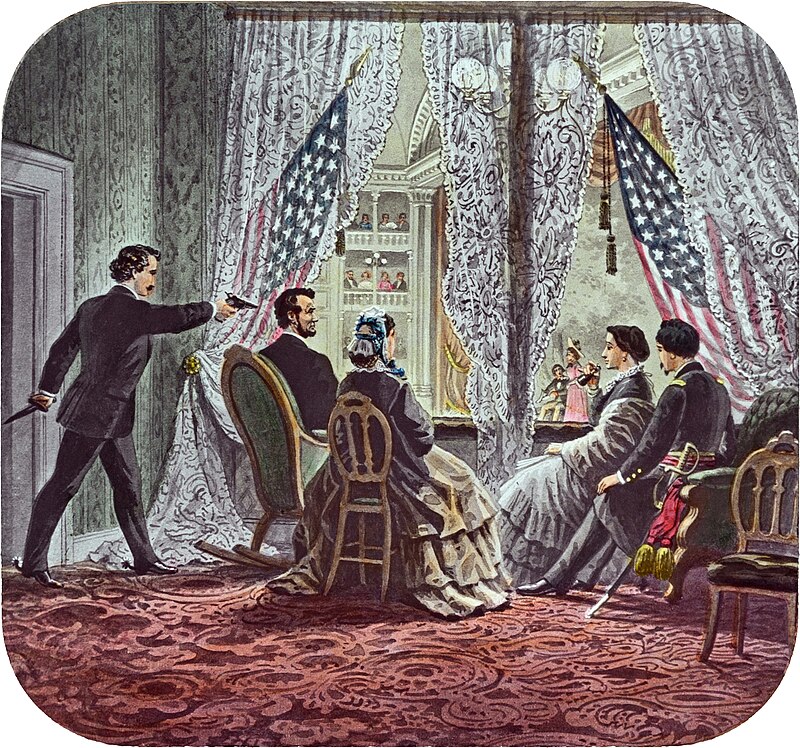
The assassination of Abraham Lincoln occurred shortly after the conclusion of the Civil War, a tragic event that shocked the nation. John Wilkes Booth, a Confederate sympathizer and actor, executed a well-planned attack on Lincoln during a performance at Ford's Theatre. Booth entered the presidential box and shot Lincoln in the back of the head, leading to his death the following morning. This act of violence not only ended Lincoln's life but also had profound implications for the nation. It intensified the existing divisions within the country and led to a period of national mourning. The assassination prompted a crackdown on dissent and increased security measures for public officials. Lincoln's death marked a turning point in American history, as it shifted the focus of Reconstruction and the future of civil rights in the United States.
#mooflife
#MomentOfLife
#AbrahamLincoln
#Assassination
#CivilWar
#JohnWilkesBooth
#Presidency
Primary Reference
Assassination of Abraham Lincoln

Explore the Life Moments of
 AI Twin