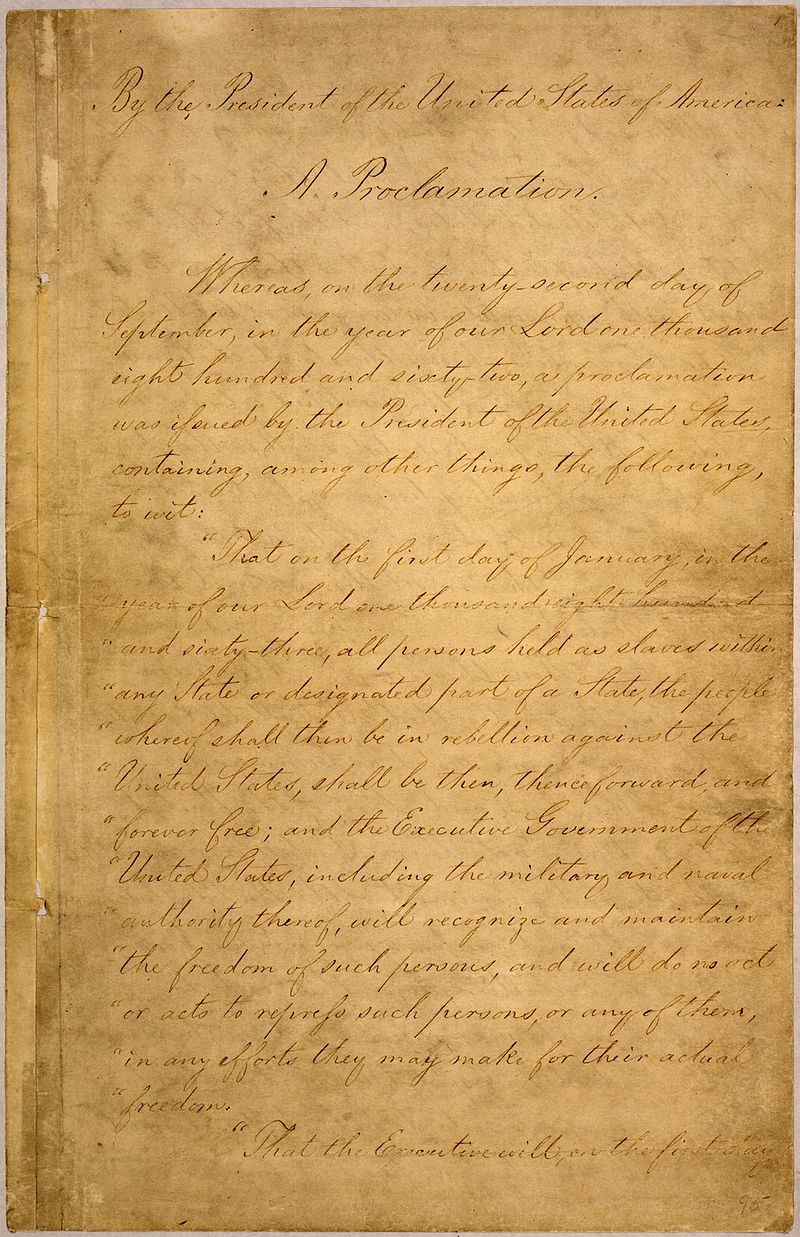
Impact of Emancipation Proclamation on Europe
United States
Politics
Civil Rights
4 min read
Updated By: History Editorial Network (HEN)
Published:
Updated:
The Emancipation Proclamation, issued in January 1863, played a crucial role in shaping European perspectives on the American Civil War. By declaring the freedom of all enslaved people in Confederate-held territory, it reframed the conflict as not just a struggle for the Union, but also a moral battle against slavery. This shift in narrative was significant in garnering support from European public opinion, which had increasingly become sympathetic to the abolitionist cause. The proclamation effectively aligned the Union's war efforts with the growing anti-slavery sentiment in Europe, making it politically challenging for European nations to support the Confederacy. As a result, the potential for European intervention in the war diminished, particularly following key Union victories at Gettysburg and Vicksburg. These victories reinforced the perception among European leaders that the Confederate cause was faltering, further reducing the likelihood of foreign support for the South.
The impact of the Emancipation Proclamation extended beyond immediate military strategy; it also influenced diplomatic relations. European powers, particularly Britain and France, had been contemplating intervention on behalf of the Confederacy, primarily due to economic interests tied to cotton exports. However, the proclamation complicated these considerations, as it positioned the Union as a champion of freedom and human rights. The moral implications of supporting a regime that upheld slavery became a significant deterrent for European governments. Consequently, the Emancipation Proclamation not only solidified the Union's stance against slavery but also altered the geopolitical landscape of the Civil War, ensuring that any potential European intervention was effectively neutralized. This shift had lasting implications for both the war and the future of slavery in the United States, as it underscored the importance of public opinion and moral considerations in international relations.
#mooflife
#MomentOfLife
#EmancipationProclamation
#AmericanCivilWar
#EuropeanIntervention
#Abolition
#UnionVictories
Primary Reference
Emancipation Proclamation

Explore the Life Moments of
 AI Twin