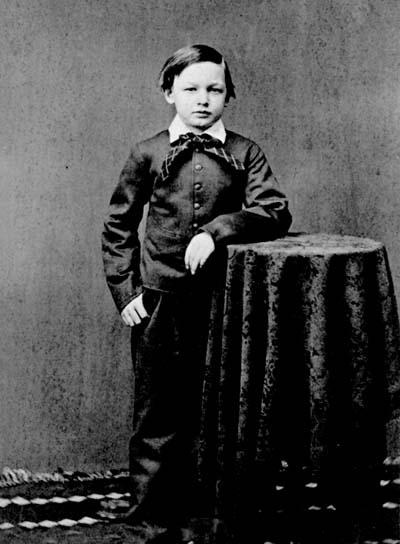
Death of Lincoln's Son Willie
United States
Religion
Psychology
4 min read
Updated By: History Editorial Network (HEN)
Published:
Updated:
The death of Willie Lincoln, the second son of President Abraham Lincoln and Mary Todd Lincoln, had a profound impact on the family and the nation. Willie, who was just 11 years old, died in the White House, likely due to typhoid fever, a common illness at the time caused by contaminated water. His passing was a significant personal tragedy for Lincoln, who was already grappling with the pressures of leading the country during the Civil War. The loss of a child is often a deeply transformative experience, and for Lincoln, it may have prompted a shift in his perspective on life and faith. Following Willie's death, Lincoln's speeches and writings began to incorporate more religious themes, suggesting that he sought comfort in spirituality during a time of immense grief. This change in tone may have also been a strategic move to connect with a predominantly evangelical audience, reflecting the cultural context of the era where religion played a central role in public life.
The impact of Willie's death extended beyond the personal realm, influencing Lincoln's leadership style and decision-making during a tumultuous period in American history. The emotional weight of his loss may have contributed to Lincoln's empathy towards the suffering of others, particularly as the Civil War claimed countless lives. Statistics indicate that the war resulted in over 600,000 military deaths, and the collective grief experienced by families across the nation resonated with Lincoln's own sorrow. His ability to articulate the pain of loss and the need for healing became a hallmark of his presidency. The themes of sacrifice and redemption that emerged in his speeches, particularly during the Gettysburg Address and his second inaugural address, can be traced back to the personal tragedy he endured with Willie's death. This intersection of personal grief and public duty illustrates how individual experiences can shape broader historical narratives.
#mooflife
#MomentOfLife
#AbrahamLincoln
#WillieLincoln
#CivilWar
#Religion
#HistoricalImpact
Primary Reference
William Wallace Lincoln

Explore the Life Moments of
 AI Twin