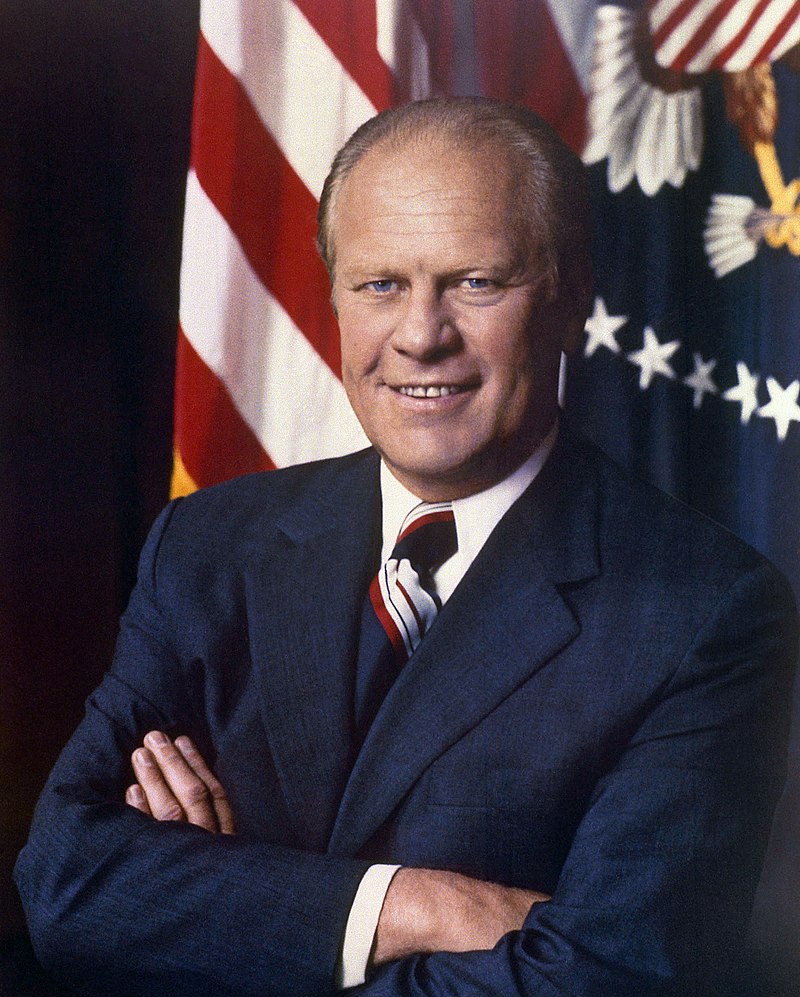
Gerald Ford: Leadership Amidst Political Change
United States of America
Appointment of the president
4 min read
Updated By: History Editorial Network (HEN)
Published:
On August 9, 1974, the United States witnessed a pivotal moment in its history when Gerald Ford was sworn in as the 38th President of the United States. This event marked the culmination of a turbulent period in American politics, as President Richard Nixon had just resigned amidst the Watergate scandal. Ford’s ascent to the presidency came at a time of deep national division and a crisis of confidence in the government.
Gerald Ford assumed the presidency under extraordinary circumstances. Richard Nixon's resignation—the first and only time a U.S. president has stepped down—left the nation in a state of shock and uncertainty. Ford, who had been serving as Vice President for less than a year after the resignation of Spiro Agnew, was suddenly thrust into the highest office in the land.
Ford’s presidency was characterized by his efforts to restore trust in the government. One of his first and most controversial decisions was to grant Nixon a full pardon for any crimes he may have committed while in office. While Ford believed this would help heal the nation and allow it to move forward, the decision was met with significant public backlash and damaged his popularity.
Despite the controversies, Ford’s tenure as president saw him navigating a series of domestic and international challenges, including a struggling economy marked by inflation and unemployment, and the ongoing Cold War. His leadership style, described as pragmatic and unassuming, helped steer the nation through this period of instability.
#MomentsOfLife #MoofLife_Moment #MoofLife
Primary Reference
Gerald R. Ford | The White House

Explore the Life Moments of
 AI Twin