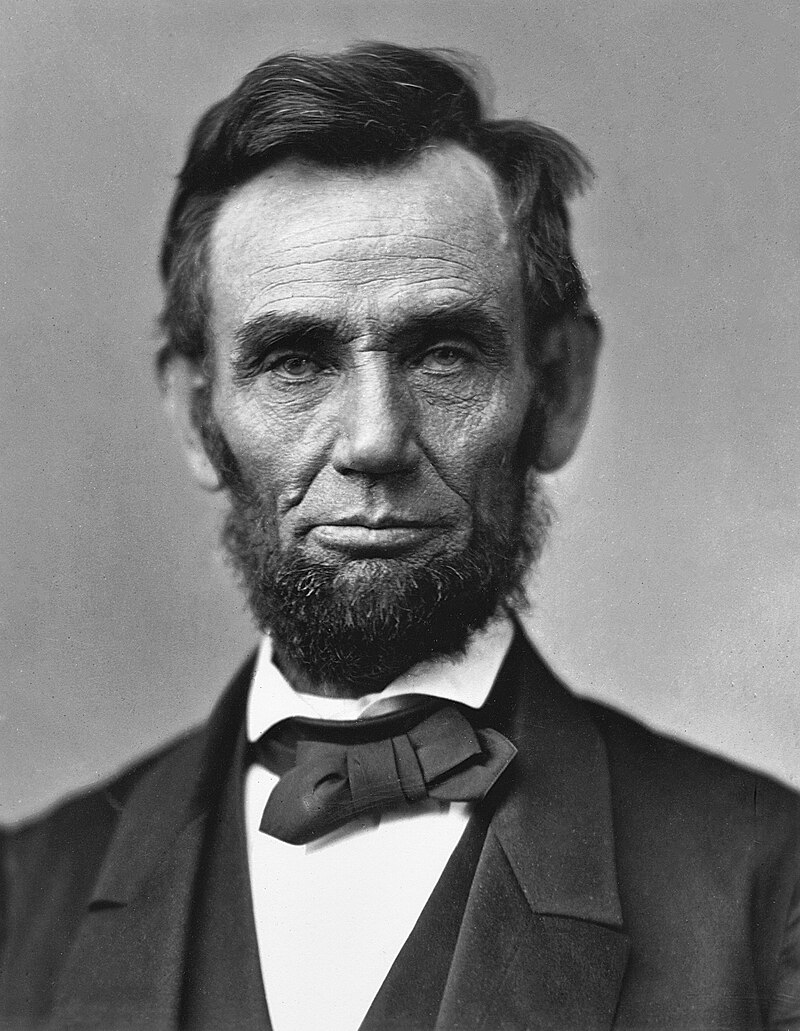
Abraham Lincoln: Presidency and Legacy in American History.
United States of America
Appointment of the president
4 min read
Updated By: History Editorial Network (HEN)
Published:
In March 1861, Abraham Lincoln assumed office as the 16th President of the United States. His presidency commenced amidst a nation deeply divided over the issue of slavery, with several southern states already seceding from the Union. Lincoln, a Republican, had campaigned on a platform opposing the expansion of slavery into the western territories, a stance that sparked controversy and ultimately played a role in the secession crisis.
Lincoln's inauguration marked a turning point in American history, as his leadership would be tested by the Civil War, the bloodiest conflict the nation had ever seen. His steadfast commitment to preserving the Union, even at the cost of war, defined his presidency. Lincoln's eloquence and determination captured the hearts and minds of Americans on both sides of the conflict, earning him the reputation as one of the greatest presidents in U.S. history.
Throughout his presidency, Lincoln faced immense challenges, including military setbacks, political opposition, and personal tragedies. Yet, his steady leadership and unwavering resolve guided the nation through its darkest hour. Lincoln's Emancipation Proclamation, issued in 1863, forever changed the course of the Civil War and laid the groundwork for the eventual abolition of slavery.
Abraham Lincoln's presidency and legacy continue to inspire generations of Americans, embodying the values of courage, integrity, and equality. #AbrahamLincoln #16thPresident #CivilWar #EmancipationProclamation
Primary Reference
Hannibal Hamlin Takes Vice Presidential Oath - U.S. Senate

Explore the Life Moments of
 AI Twin