The Impact of World War I on Slovenes
Slovenia
War
Slovenia
3 min read
Updated By: History Editorial Network (HEN)
Published:
Updated:
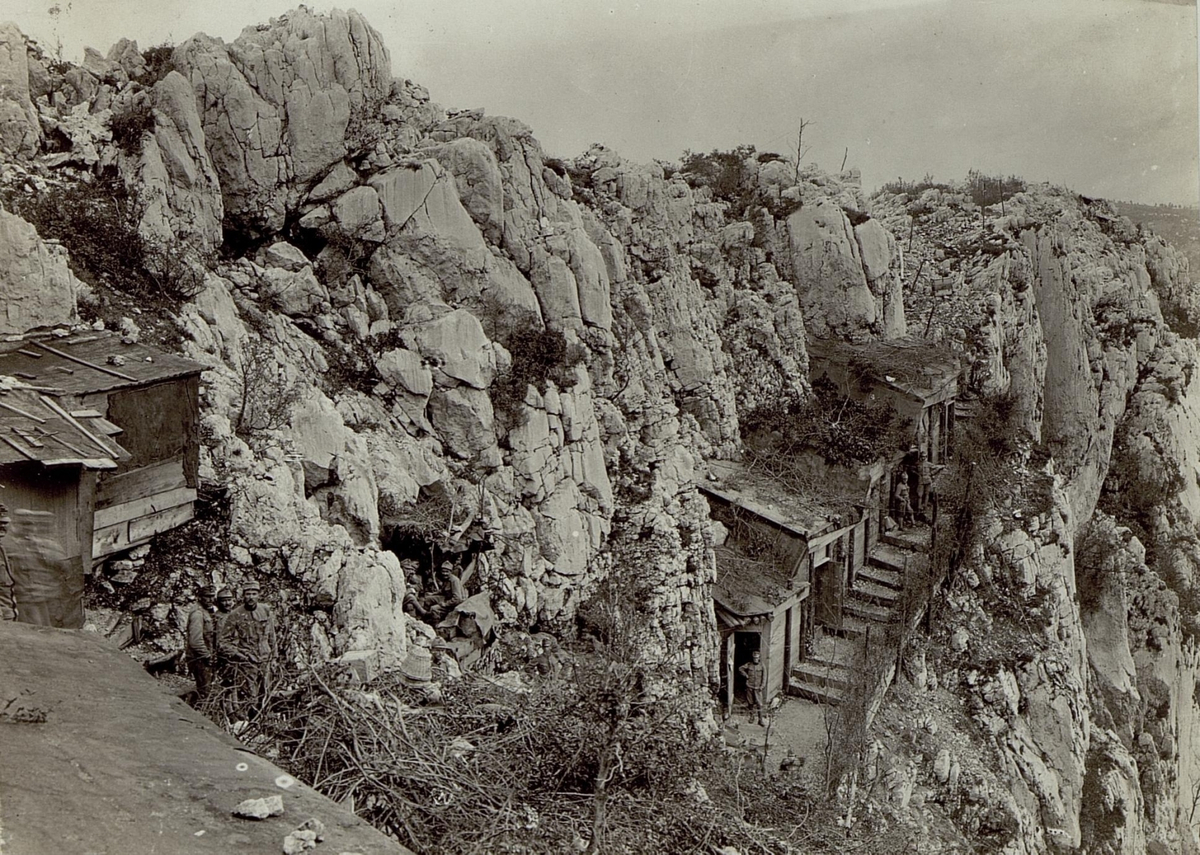
World War I brought heavy casualties to Slovenes, particularly during the twelve Battles of the Isonzo, which took place in present-day Slovenia's western border area with Italy. Hundreds of thousands of Slovene conscripts were drafted into the Austro-Hungarian Army, and over 30,000 of them died. Hundreds of thousands of Slovenes from the Princely County of Gorizia and Gradisca were resettled in refugee camps in Italy and Austria. While the refugees in Austria received decent treatment, the Slovene refugees in Italian camps were treated as state enemies, and several thousand died of malnutrition and diseases between 1915 and 1918. Entire areas of the Slovene Littoral were destroyed. The Treaty of Rapallo of 1920 left approximately 327,000 out of the total population of 1.3 million Slovenes in Italy. After the fascists took power in Italy, they were subjected to a policy of violent Fascist Italianization. This caused the mass emigration of Slovenes, especially the middle class, from the Slovene Littoral and Trieste to Yugoslavia and South America. Those who remained organized several connected networks of both passive and armed resistance. The best known was the militant anti-fascist organization TIGR, formed in 1927 to fight Fascist oppression of the Slovene and Croat populations in the Julian March.
Primary Reference
https://en.wikipedia.org/wiki/Slovenia

Explore the Life Moments of
 AI Twin