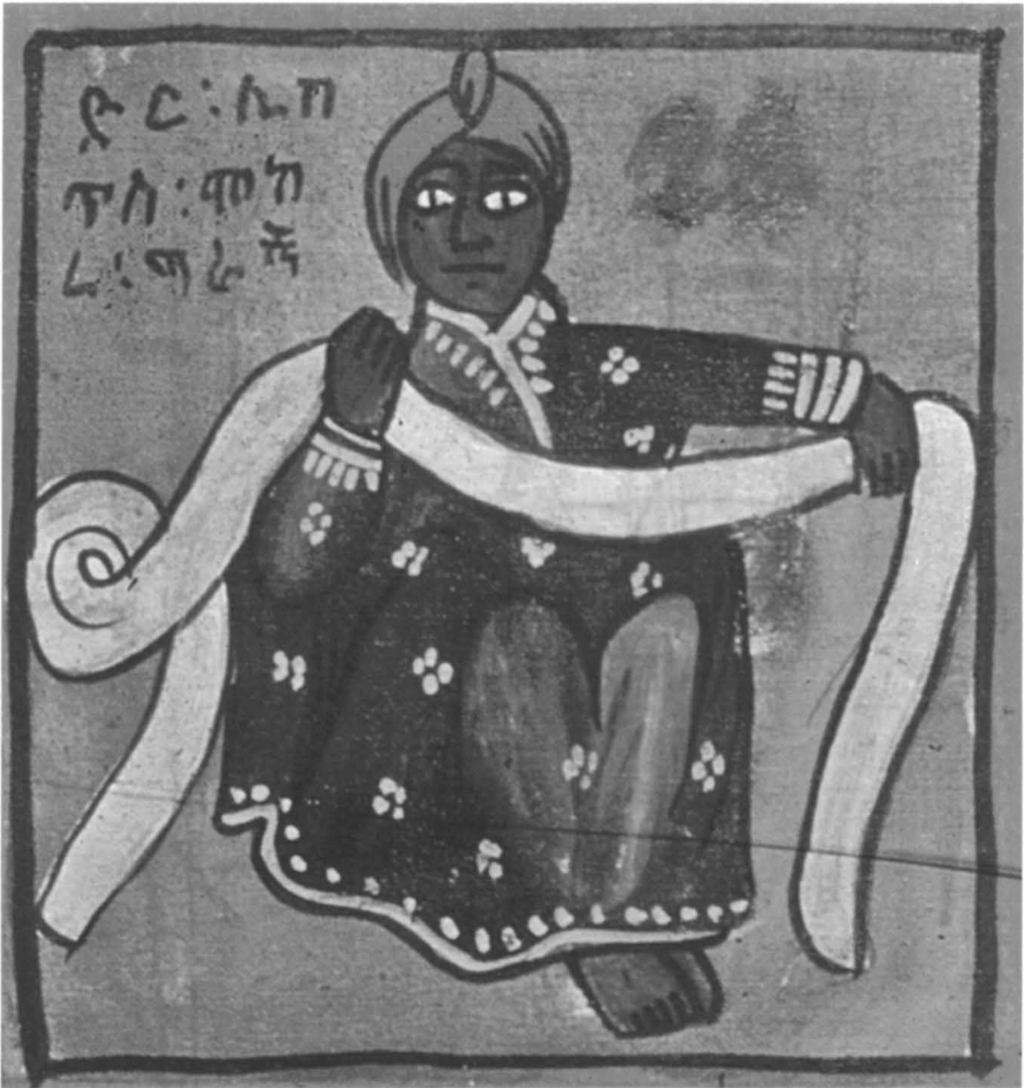
The Military Leadership of Imam Ahmad ibn Ibrahim al-Ghazi in the Adal Sultanate of the Horn of Africa
Djibouti
Military Leadership
African Studies
3 min read
Updated By: History Editorial Network (HEN)
Published:
Updated:
Imam Ahmad ibn Ibrahim al-Ghazi, a prominent military leader of the Adal Sultanate, led a significant campaign known as the Futuh Al-Habash from 1529 to 1543. His military endeavors aimed to expand the influence of Islam in the region, resulting in the conquest of approximately three-quarters of Christian Abyssinia. Al-Ghazi commanded a diverse army composed of Afar, Harari, and Somali warriors, which played a crucial role in his military successes. The campaign was marked by intense violence, as al-Ghazi's forces executed any Ethiopian who resisted conversion to Islam, leading to widespread devastation across the Christian kingdom. The relentless advance of his troops brought the ancient Ethiopian state to the brink of collapse. However, the tide turned at the decisive Battle of Wayna Daga, where Imam Ahmad was killed. His death marked a pivotal moment in the region's history, leading to the eventual decline of the Adal Sultanate and the restoration of Ethiopian sovereignty. The Futuh Al-Habash remains a significant chapter in the historical narrative of the Horn of Africa, illustrating the complex interplay of religion, power, and cultural identity during this tumultuous period. #mooflife #mof #MomentOfLife #ImamAhmadIbnIbrahimAl-ghazi #FutuhAl-habash #AdalSultanate #EthiopianHistory #HornOfAfrica

Explore the Life Moments of
 AI Twin