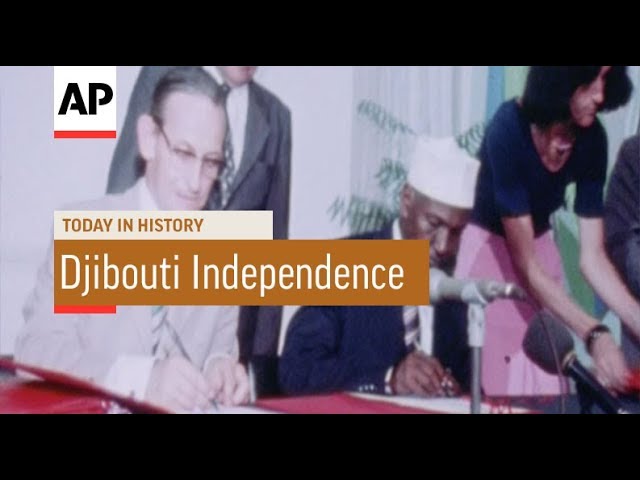
Republic of Djibouti officially gained independence
Djibouti
Politics
Geopolitics
3 min read
Updated By: History Editorial Network (HEN)
Published:
Updated:
In 1977, the Republic of Djibouti officially gained independence, marking a significant milestone in the history of the region. Previously known as the French Territory of the Afars and the Issas, Djibouti's journey to independence was solidified when its citizens voted for self-determination. This pivotal moment not only established Djibouti as a sovereign nation but also led to its admission into the United Nations in the same year, highlighting its commitment to international cooperation and governance. The capital city, Djibouti, shares its name with the country, symbolizing the unity and identity of the nation. However, the path to stability was not without challenges. In the early 1990s, internal tensions regarding government representation escalated into armed conflict. This unrest prompted a power-sharing agreement in 2000, which aimed to foster peace and inclusivity between the ruling party and opposition groups. The Republic of Djibouti continues to navigate its post-independence landscape, striving for political stability and economic development in the Horn of Africa. #mooflife #mof #MomentOfLife #DjiboutiIndependence #RepublicOfDjibouti #UnMembership #HornOfAfrica #PoliticalStability

Explore the Life Moments of
 AI Twin