Diefenbaker Forms Minority Government
Canada
Politics
Government
Canada
4 min read
Updated By: History Editorial Network (HEN)
Published:
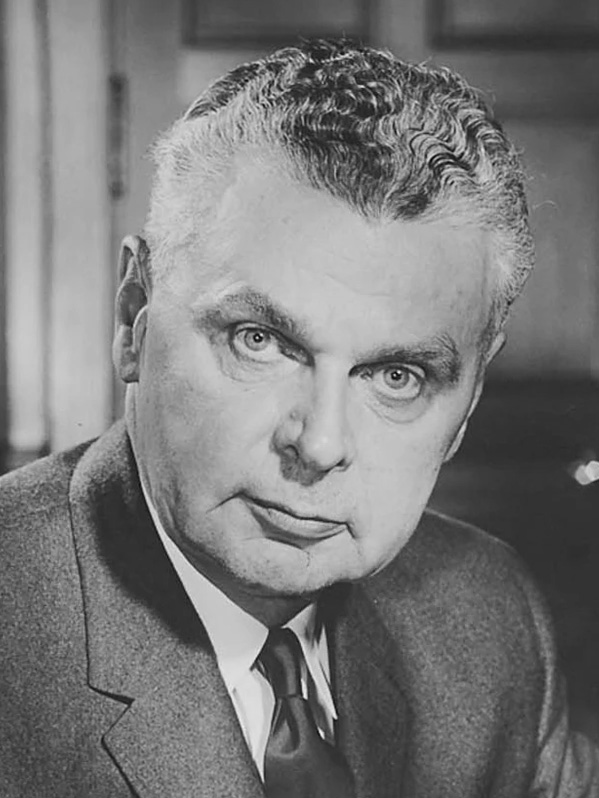
In the 1957 Canadian federal election, the Progressive Conservative Party, under the leadership of John Diefenbaker, achieved a notable electoral victory, securing a minority government. The party garnered approximately 42.20% of the total seats in the House of Commons, marking a significant shift in the political landscape of Canada. This election was pivotal as it ended over two decades of Liberal dominance in Canadian politics. Diefenbaker's leadership was characterized by a focus on national unity and a commitment to addressing the concerns of various regions across Canada, particularly in the West. His government faced challenges in maintaining a stable administration due to the minority status, which required negotiation and collaboration with other parties to pass legislation and govern effectively.
The impact of Diefenbaker's minority government was profound, as it set the stage for future political dynamics in Canada. The Progressive Conservatives' ability to form a government despite not having a majority reflected a changing electorate and the emergence of new political sentiments. This period also saw the rise of the New Democratic Party (NDP), which began to gain traction as a third party, influencing the political discourse and policy-making processes. Diefenbaker's tenure was marked by significant events, including the introduction of policies aimed at promoting Canadian nationalism and the development of the Canadian Bill of Rights. The minority government structure necessitated a more collaborative approach to governance, which would influence the operations of subsequent administrations in Canada.
#mooflife
#MomentOfLife
#Diefenbaker
#MinorityGovernment
#ProgressiveConservative
#CanadianPolitics
#PoliticalHistory

Explore the Life Moments of
 AI Twin