Treaty of Neuilly-sur-Seine: Bulgaria's WWI consequences
Bulgaria
Political
3 min read
Updated By: History Editorial Network (HEN)
Published:
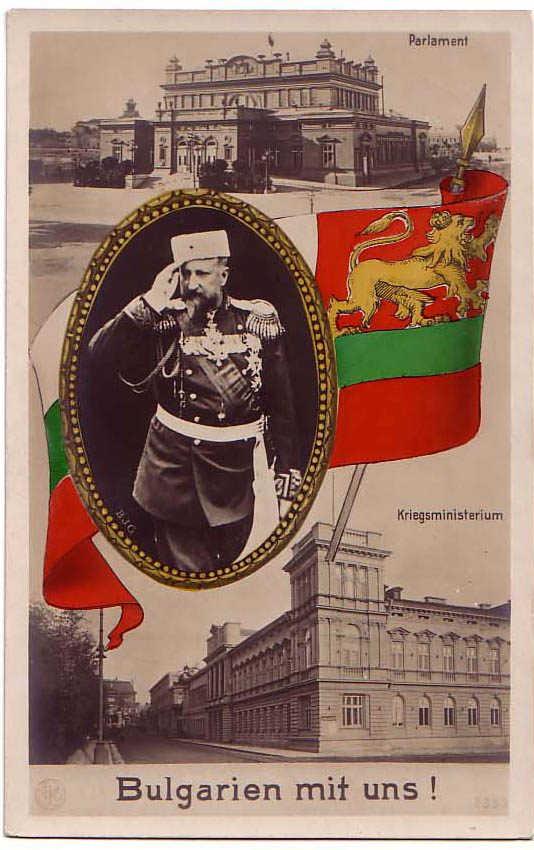
Following its defeat in World War I, Bulgaria signed the Treaty of Neuilly-sur-Seine, marking the formal conclusion of its involvement in the conflict. The treaty resulted in Bulgaria ceding significant territories to the Allied powers, including land to Yugoslavia, Greece, and Romania. This loss of territory severely impacted Bulgaria's size and influence in the region.
The signing of the treaty further exacerbated the economic challenges faced by Bulgaria, as it had to pay reparations to the victorious Allies. The country's military capabilities were also restricted, and its access to the Aegean Sea was limited, affecting its ability to engage in international trade.
The Treaty of Neuilly-sur-Seine had long-lasting consequences for Bulgaria, as it reshaped the country's borders and geopolitical position in Southeast Europe. The treaty contributed to political instability and social unrest in Bulgaria, fueling nationalist sentiments and shaping its foreign policy in the years to come.
Overall, the Treaty of Neuilly-sur-Seine marked a significant turning point for Bulgaria, as it formalized the end of its participation in World War I and redefined its territorial boundaries and international standing. #TreatyofNeuillysurSeine #Bulgaria #WorldWarI #AlliedPowers #TerritorialLoss #Reparations
Primary Reference
Bulgaria Study_1

Explore the Life Moments of
 AI Twin